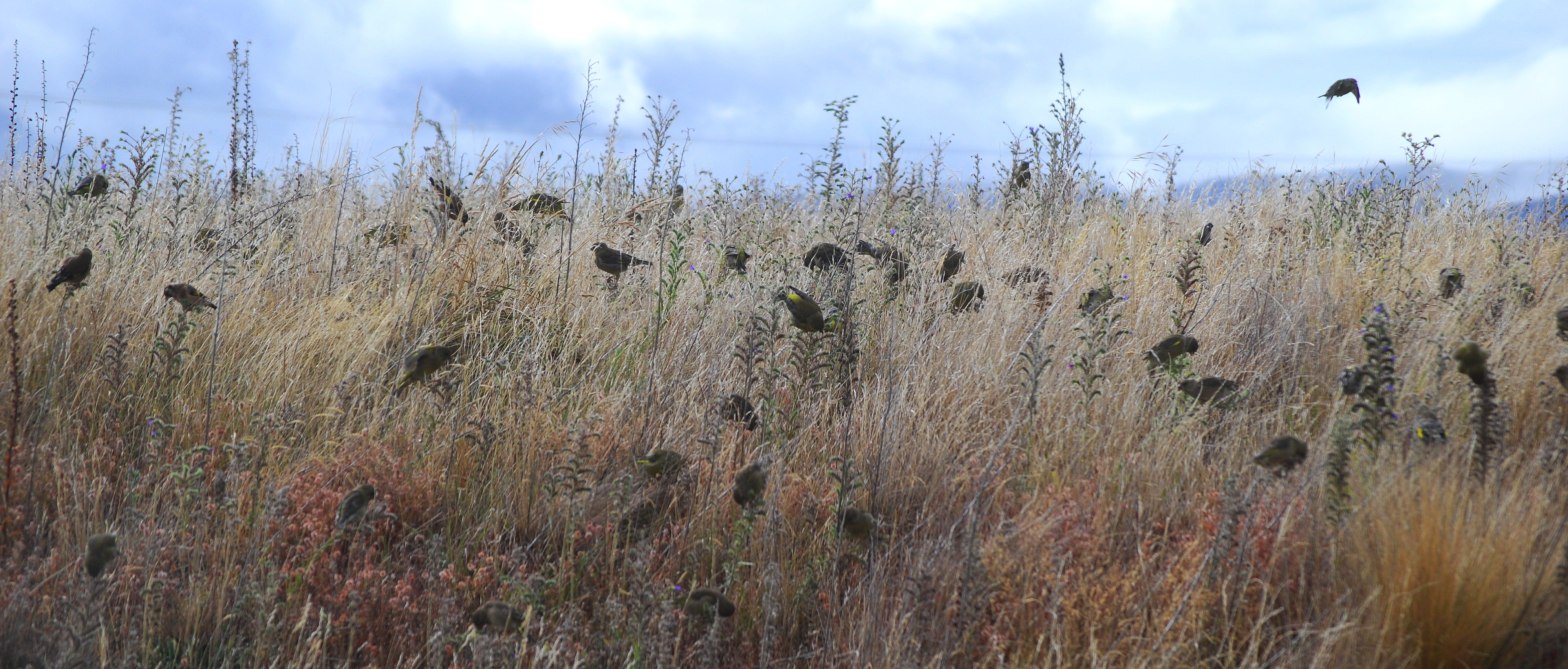
The Upper Clutha Valley of Central Otago harbours special elements of New Zealand’s biodiversity of indigenous flora and fauna, in a distinctive landscape of extensive river terraces. These natural drylands support a unique mix of inland saltpans, short-tussock grasslands with cushion plants and herbfield, shrubland and rocky areas.
The day-flying moths and butterflies of this suite of dry and open communities epitomise the fragility of these precious habitats. An undescribed boulder copper butterfly (Lycaena new species) is distributed across the Upper Clutha in stony ground where its larval hostplant the mat pōhuehue Muehlenbeckia axillaris is found, with a major colony in the centre of the proposed airport land.
Source: Entomological values at the site of the proposed Tarras International Airport, Dr Brian Patrick.
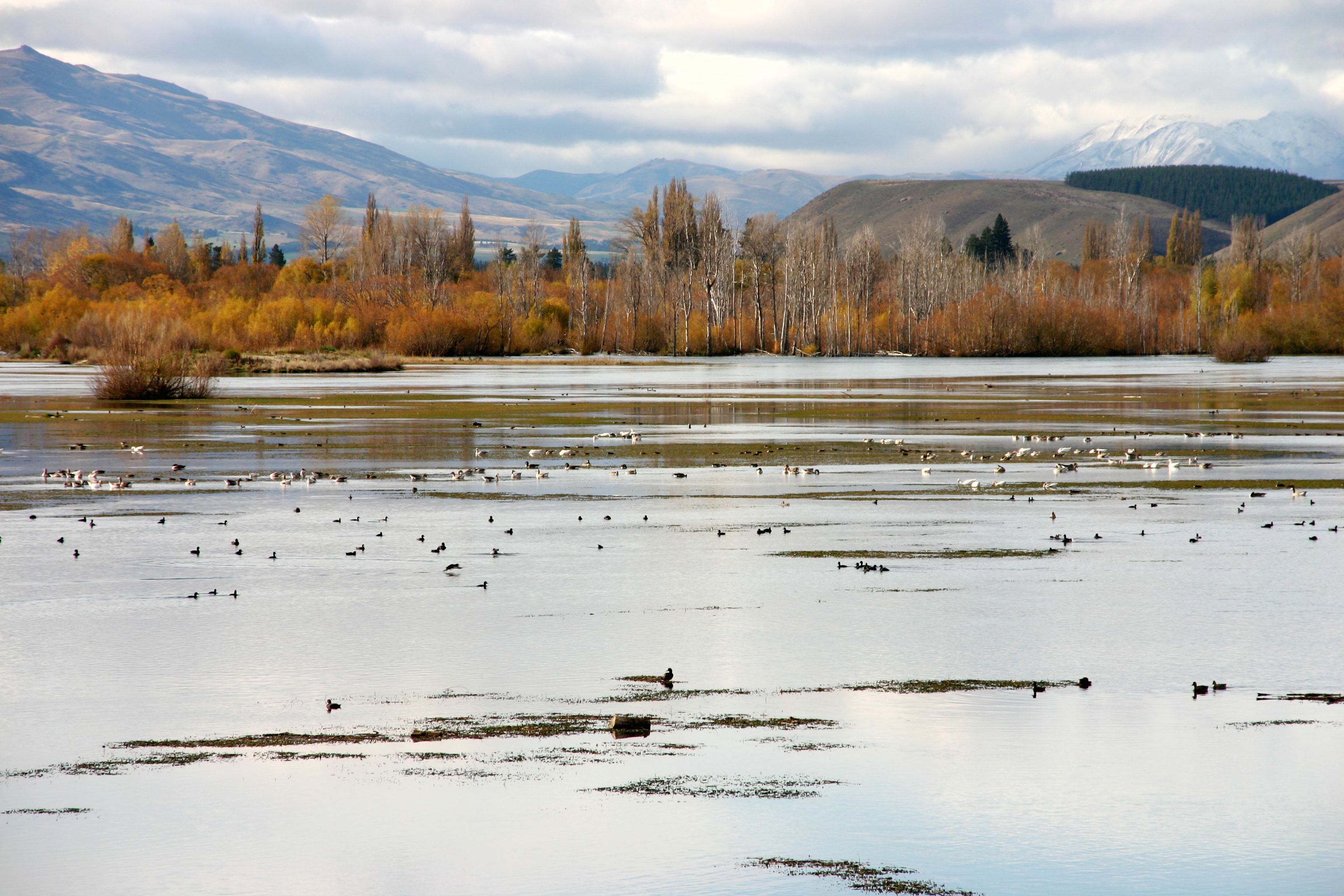
Bendigo Wetland Conservation Reserve is on the Southern boundary of the proposed airport
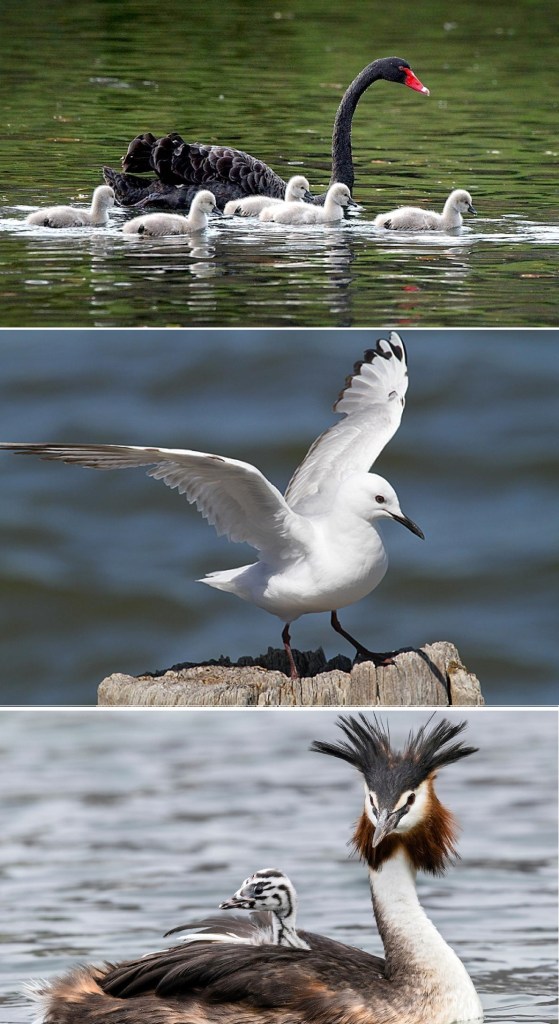
Bendigo Wetlands Conservation Reserve is the habitat for the threatened species Crested Grebe and Black Bill Gull. It provides feeding and breeding sites for Paradise Shelduck, Mallard, Black Swan, New Zealand Scaup, Canada Goose, Pied stilt and other waders.
Black-billed gulls, tarāpuka, are a unique species, found only in New Zealand, and their numbers are rapidly declining. One remaining colony of around 200 birds survives in the Bendigo wetlands at the head of Lake Dunstan.
Birds flying within the take-off and landing corridors of an airport are a danger to aircraft as bird-strike can damage both engines and structure. Even without an active extermination policy, DOC warns that disturbance by low-flying aircraft is likely to cause birds to abandon their nests.
Around Christchurch Airport, CIAL policy includes “.. make the Airport environment as unattractive to birds as possible” and “. .. actively harass birds on the airport.” Their bird exclusion zones extend 8 – 11 km from the airport boundaries.
Source: CHRISTCHURCH INTERNATIONAL AIRPORT LIMITED
Around Christchurch Airport, the bird exclusion zones extend 8-11 km from the airport boundaries. Imposing this restriction onto the Cromwell Valley, the exclusion area would include the Bendigo Wetlands Conservation area, over which planes would be flying low on any of the potential approach/take-off regimes recently proposed by CIAL.
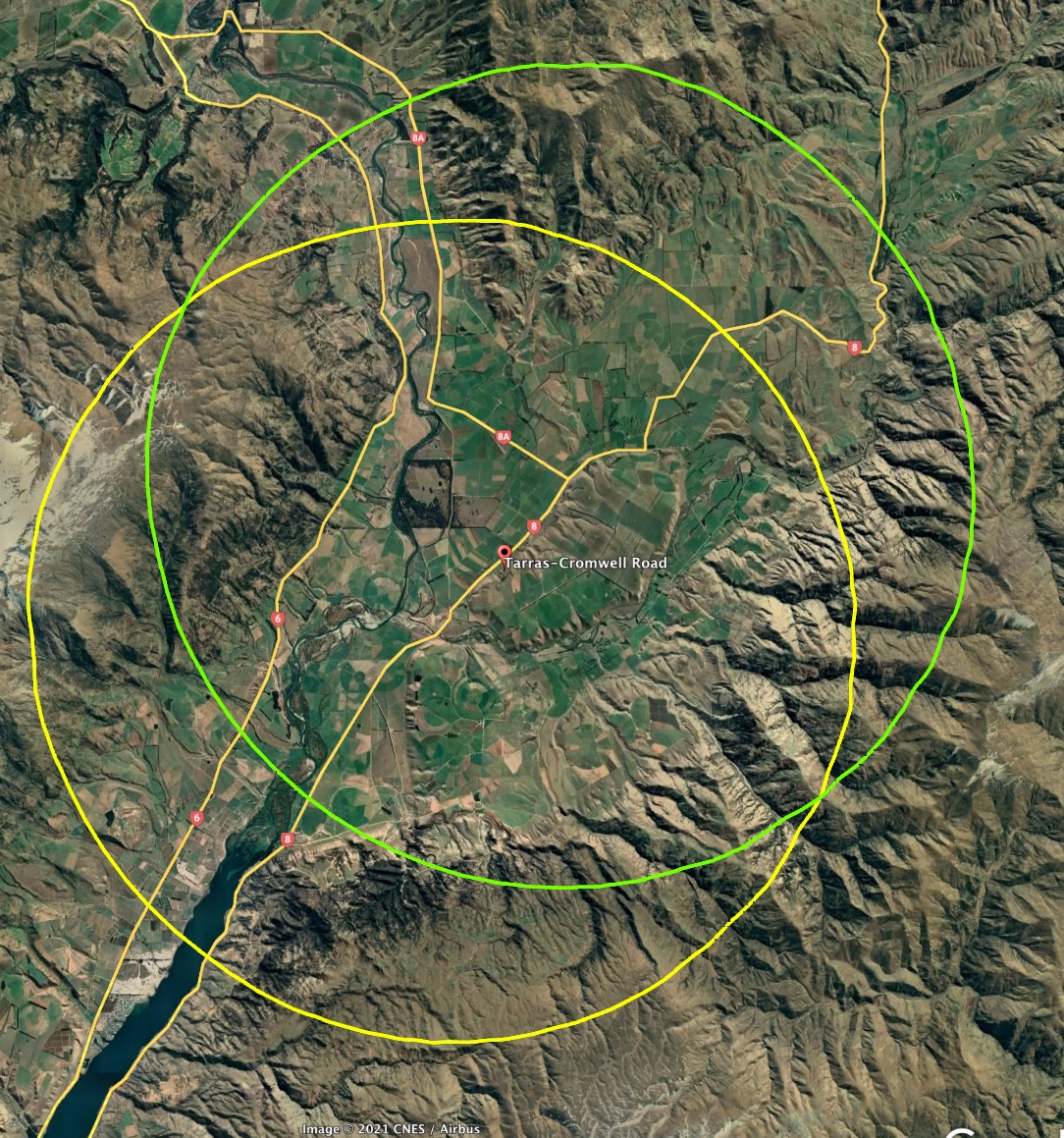
Blue line: 50db noise contour; Yellow line, bird exclusion zone. Adapted from CIAL specifications for Christchurch Airport. An actual noise boundary would be affected by sound reflection from valley walls, and might be more extensive.
The positioning of an airport on the proposed site at Tarras would produce an extreme conflict between the welfare of birdlife in the Bendigo Wetlands and an unacceptable risk of birdstrike to low-flying planes.
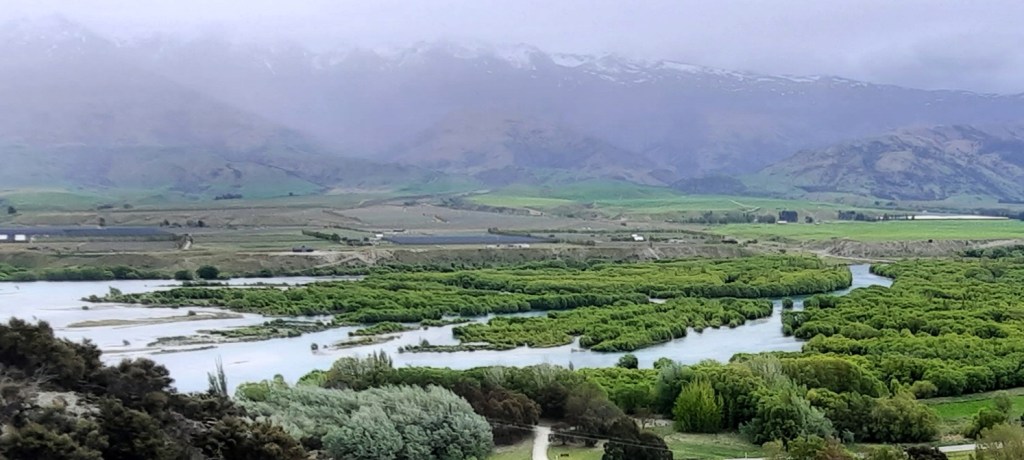
Bendigo conservation reserve is home to critically endangered species
There are fewer than 50,000 Banded Dotterels left in NZ, with this number continuing to decline. Nesting on gravel and riverbeds they are vunerable to any disturbance or loss of shoreline habitat.
Fewer than 3000 crested grebes remain in NZ. With much love and attention to detail, they create incredible floating nests for their 5-7 eggs.
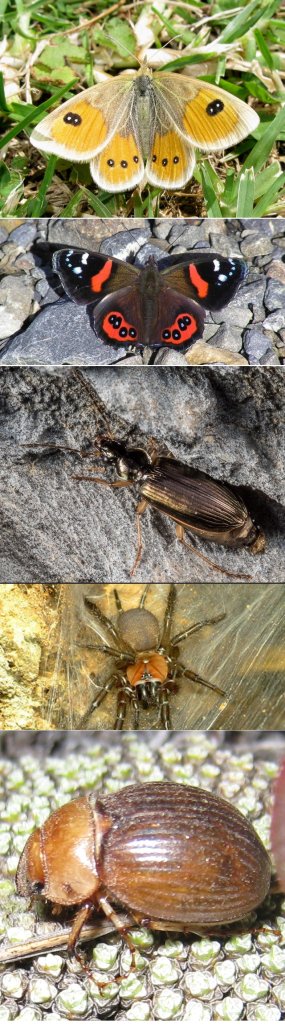
Insect apocalypse?
Central Otago may have the world’s greatest density of endemic species, insects found nowhere else, and these are now threatened by changes in land use.
Global losses of beetles, dragonflies, grasshoppers and butterflies are due to climate change, light pollution, deforestation, and land conversion for agriculture, with concomitant use of insecticides and nitrogenous fertilizers. Some estimate 70% loss within the last 40 years.
A sealed airstrip, surrounded by mowed grass, with bright illumination for aircraft landing, would reduce insect numbers within at least a 10Km radius.
Mata-Au scientific reserve at Long Gully is dedicated to the survival of plants and insects common in the Upper Clutha before the arrival of agriculture, but occupies only a fraction of the land area proposed to be dedicated to an airport.
 Sustainable Tarras