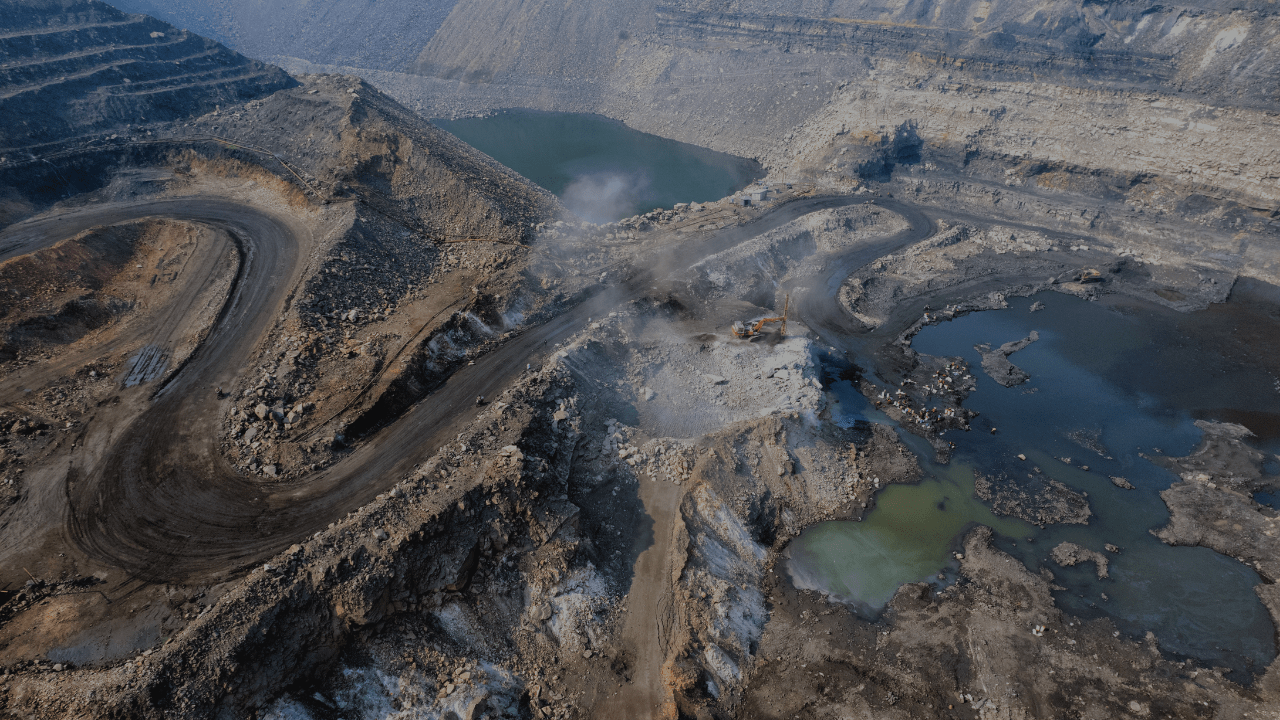
Santana Minerals is planning to develop a series of open cast goldmines in the outstanding Dunstan Mountains, above Tarras, in the Bendigo Ophir area.
This gold mine, if it goes ahead, has the potential for severe adverse effects to the environment, water supply, lives and businesses of local residents. We have included as much detail as possible below.
Quick videos to watch
Below are three short videos, and one slightly longer (6 minutes) featuring Sam Neill. They will give you a quick overview of the size, scale, scope and nature of this controversial mine proposal.
Social media infographics
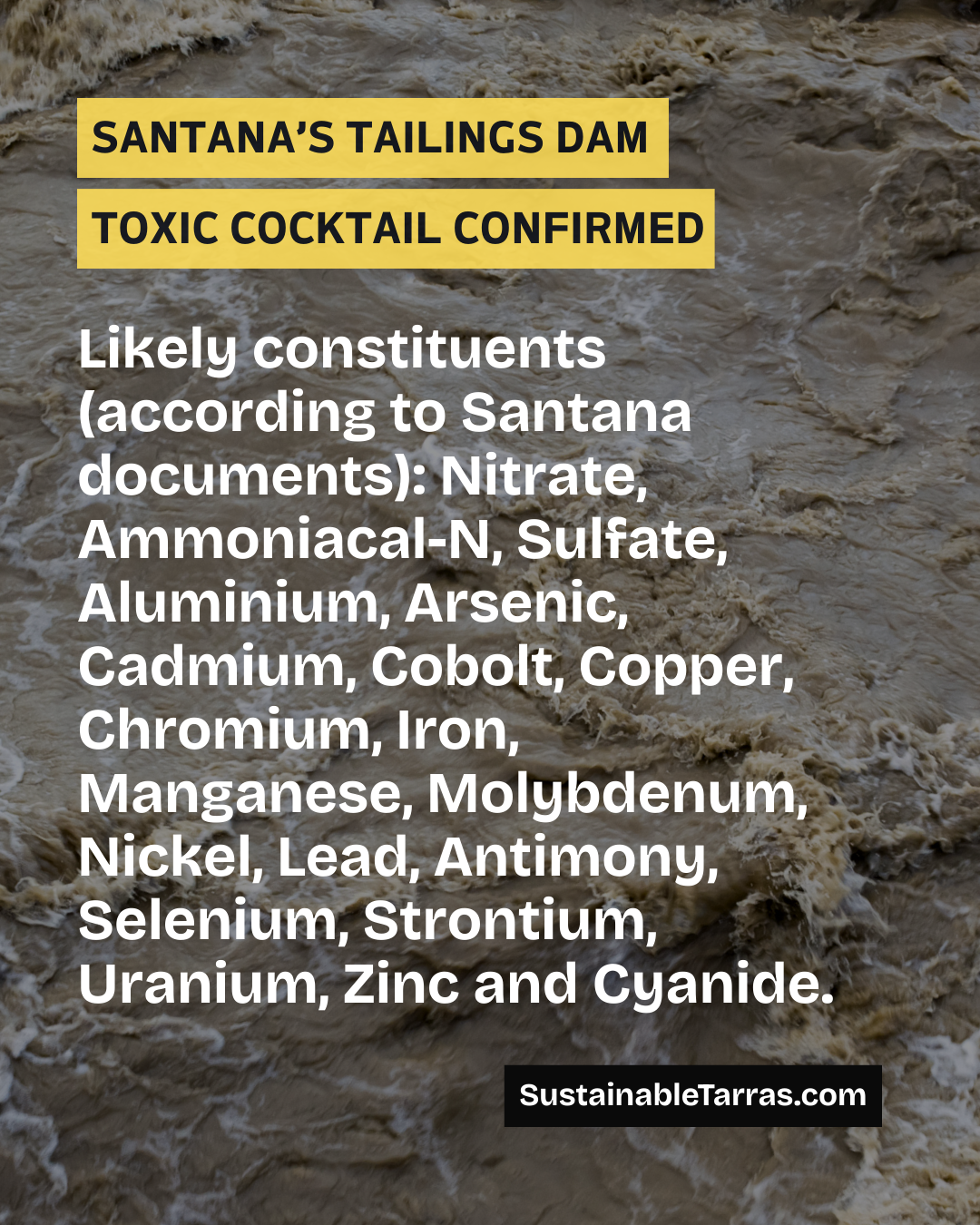
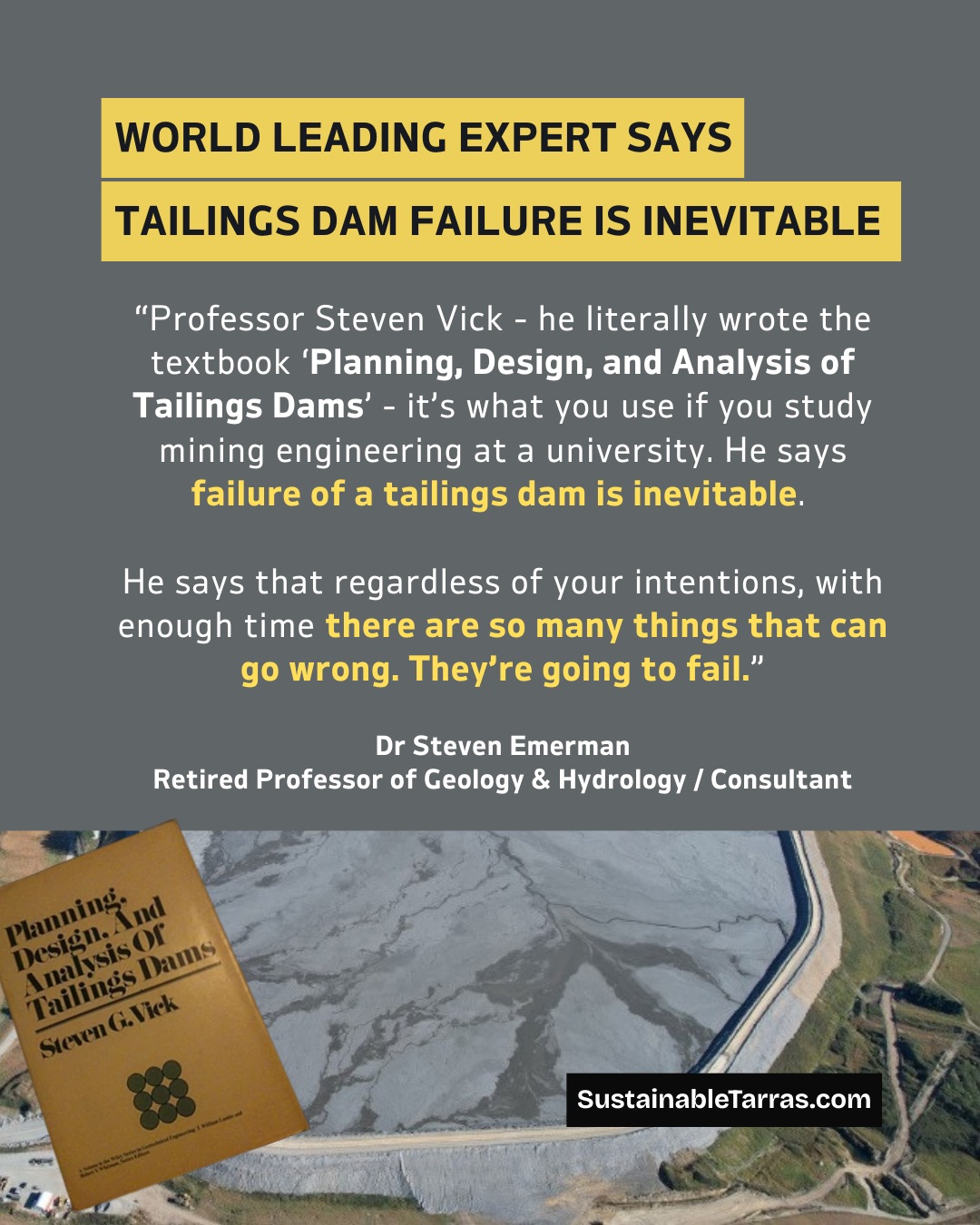
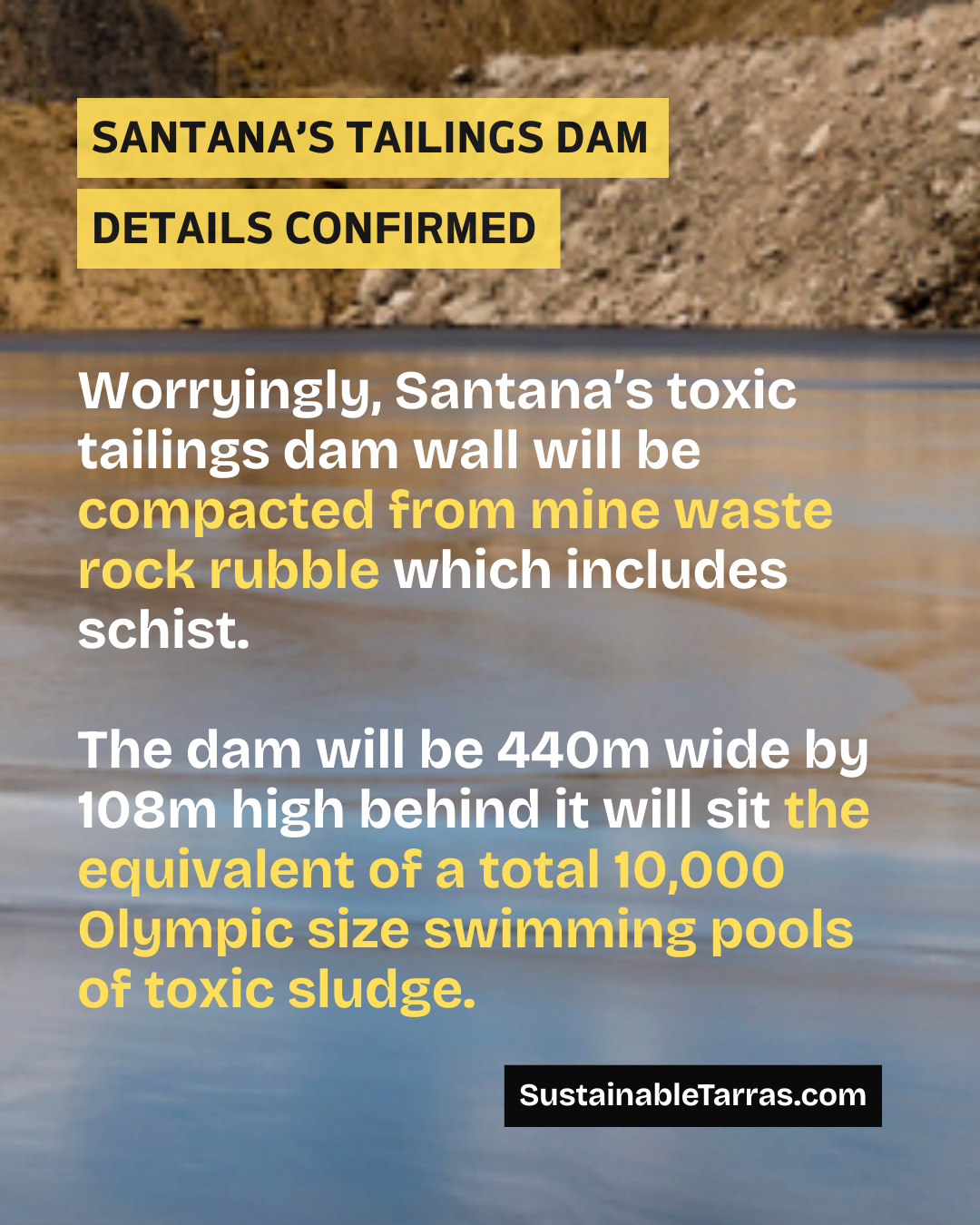
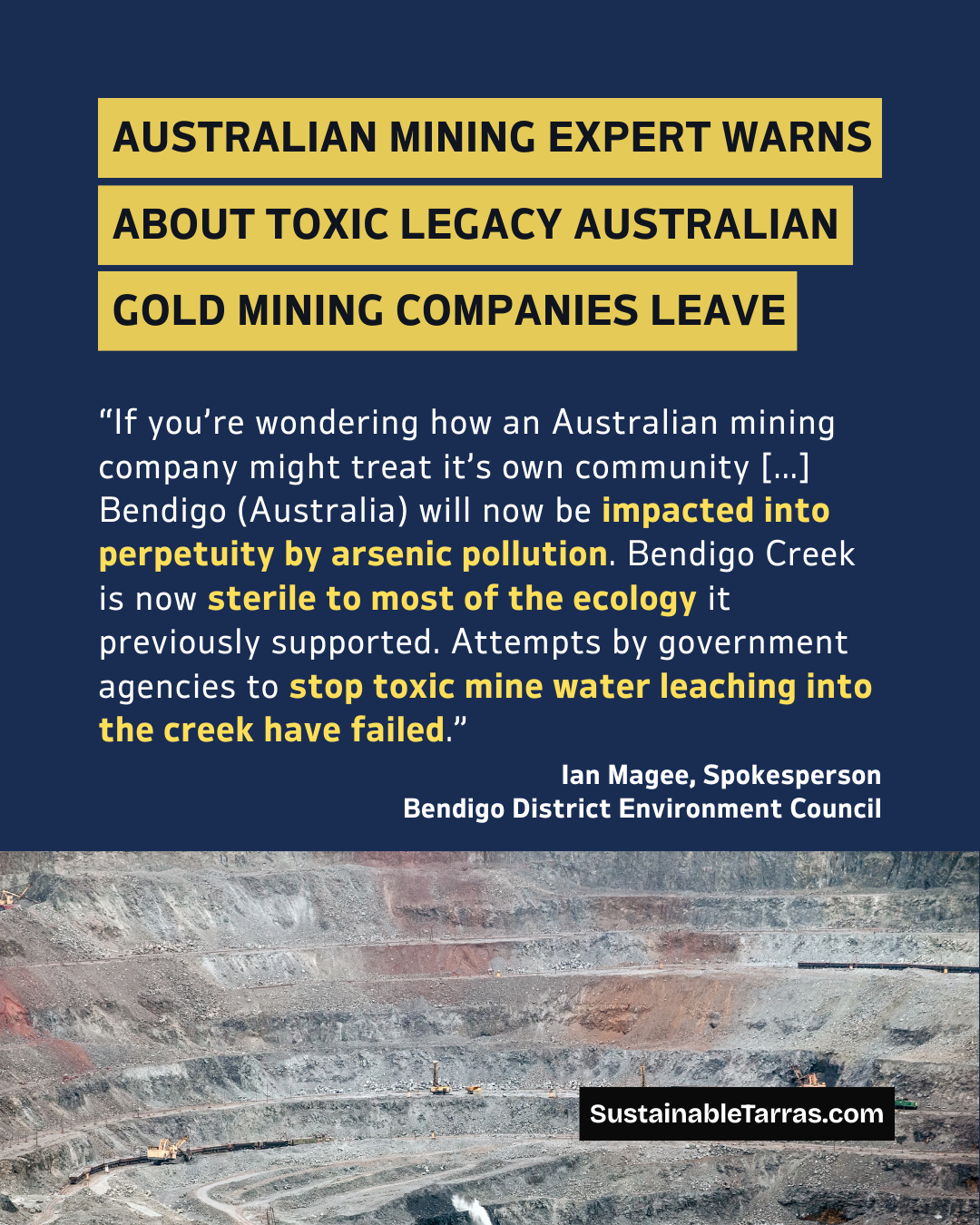
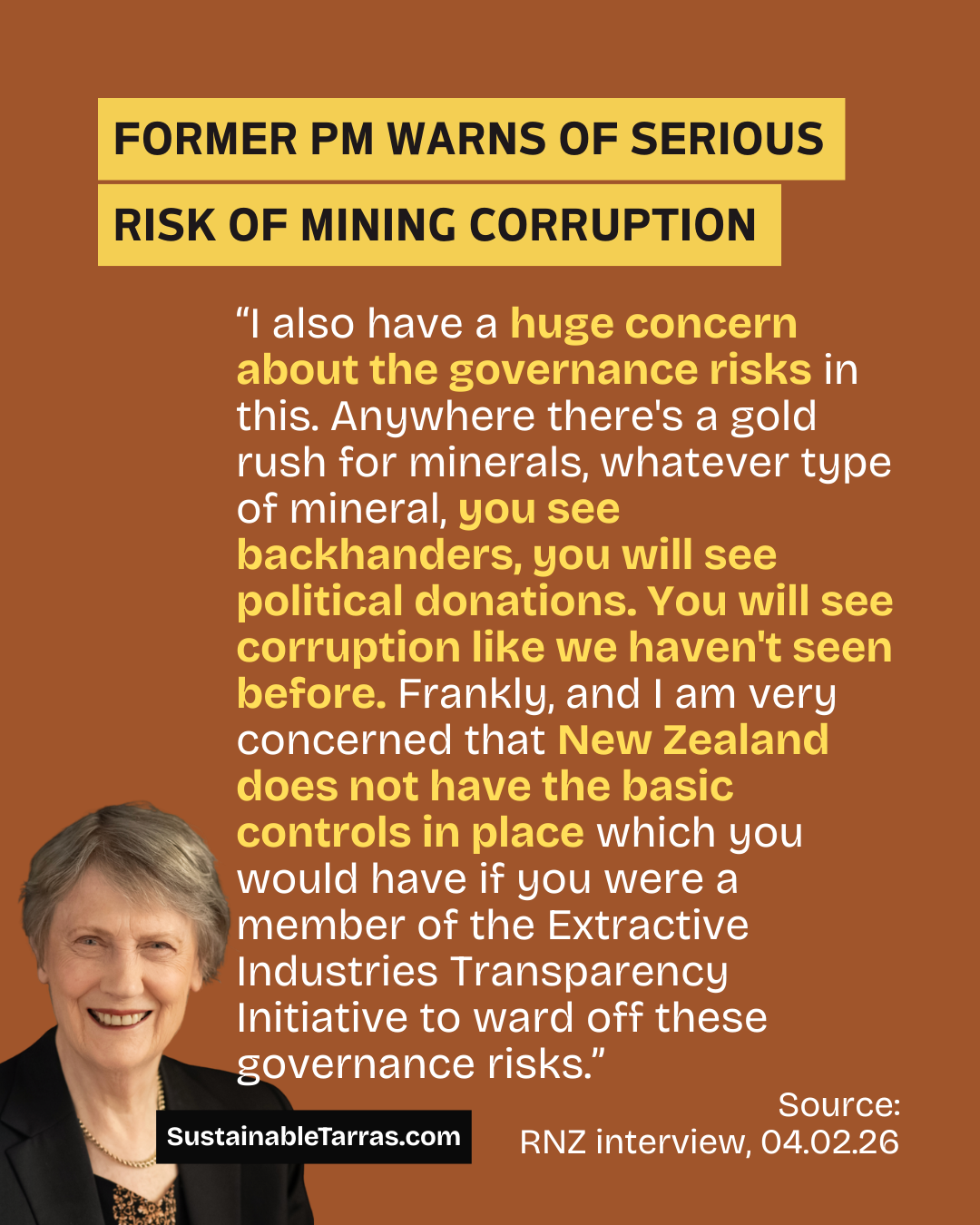
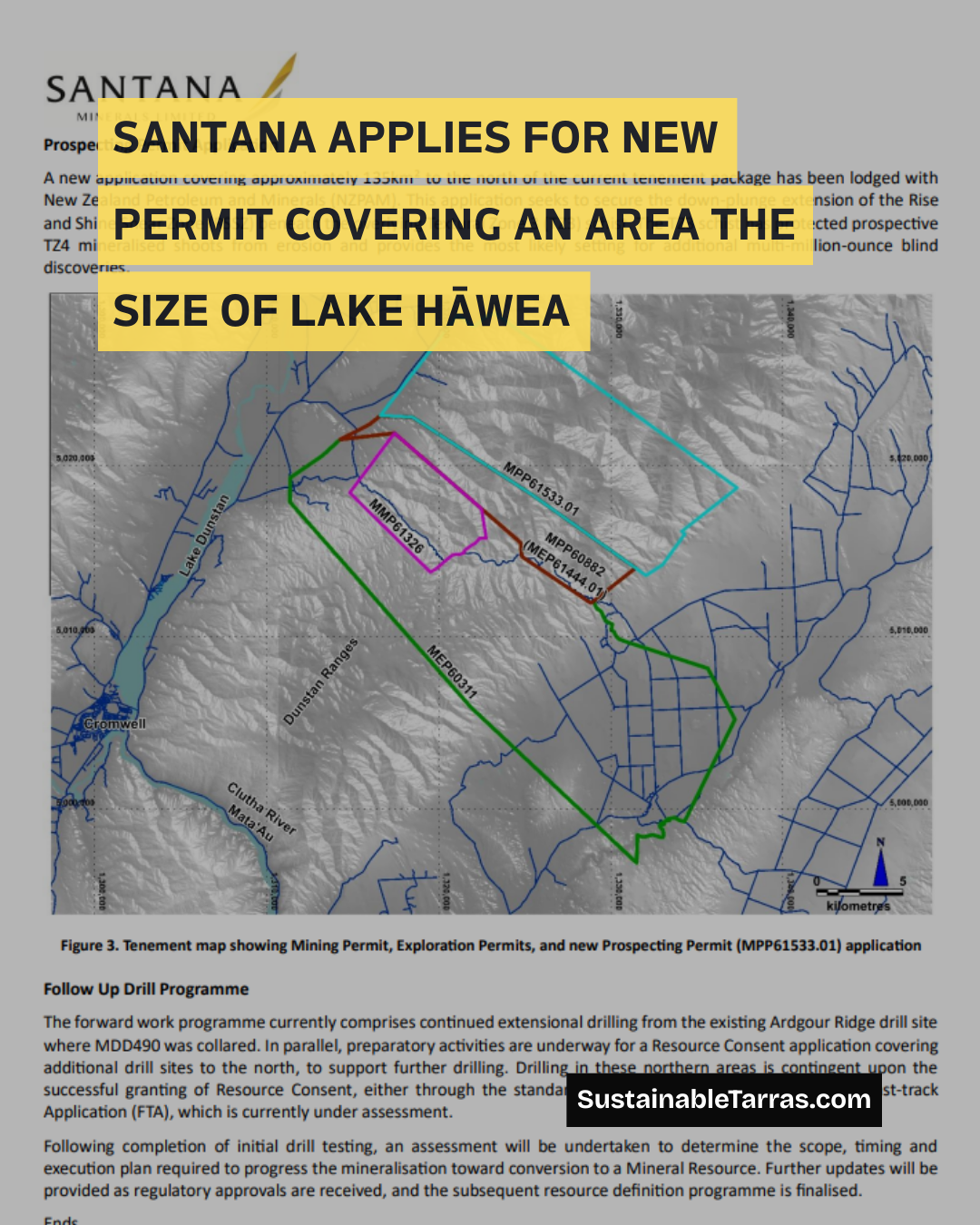
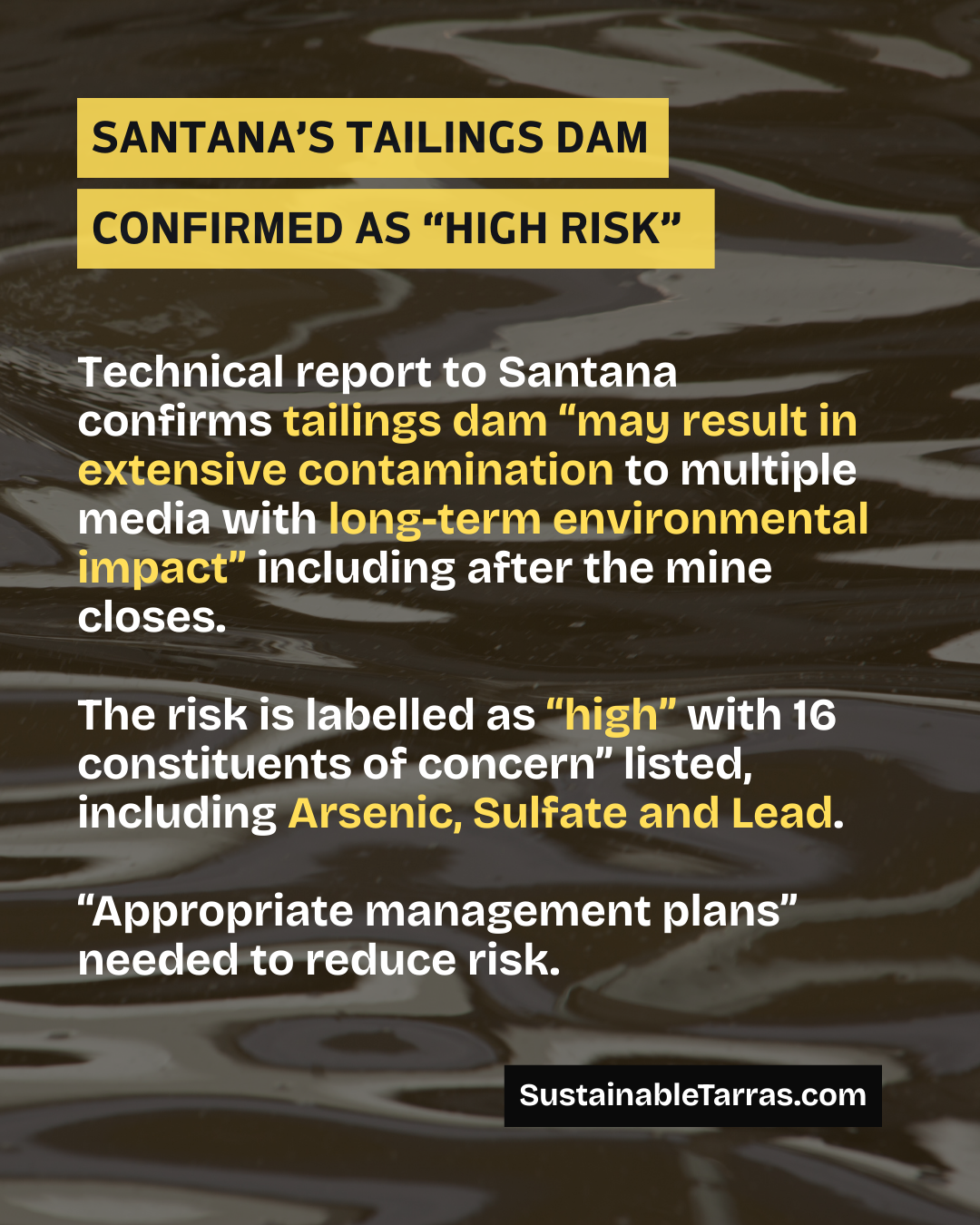
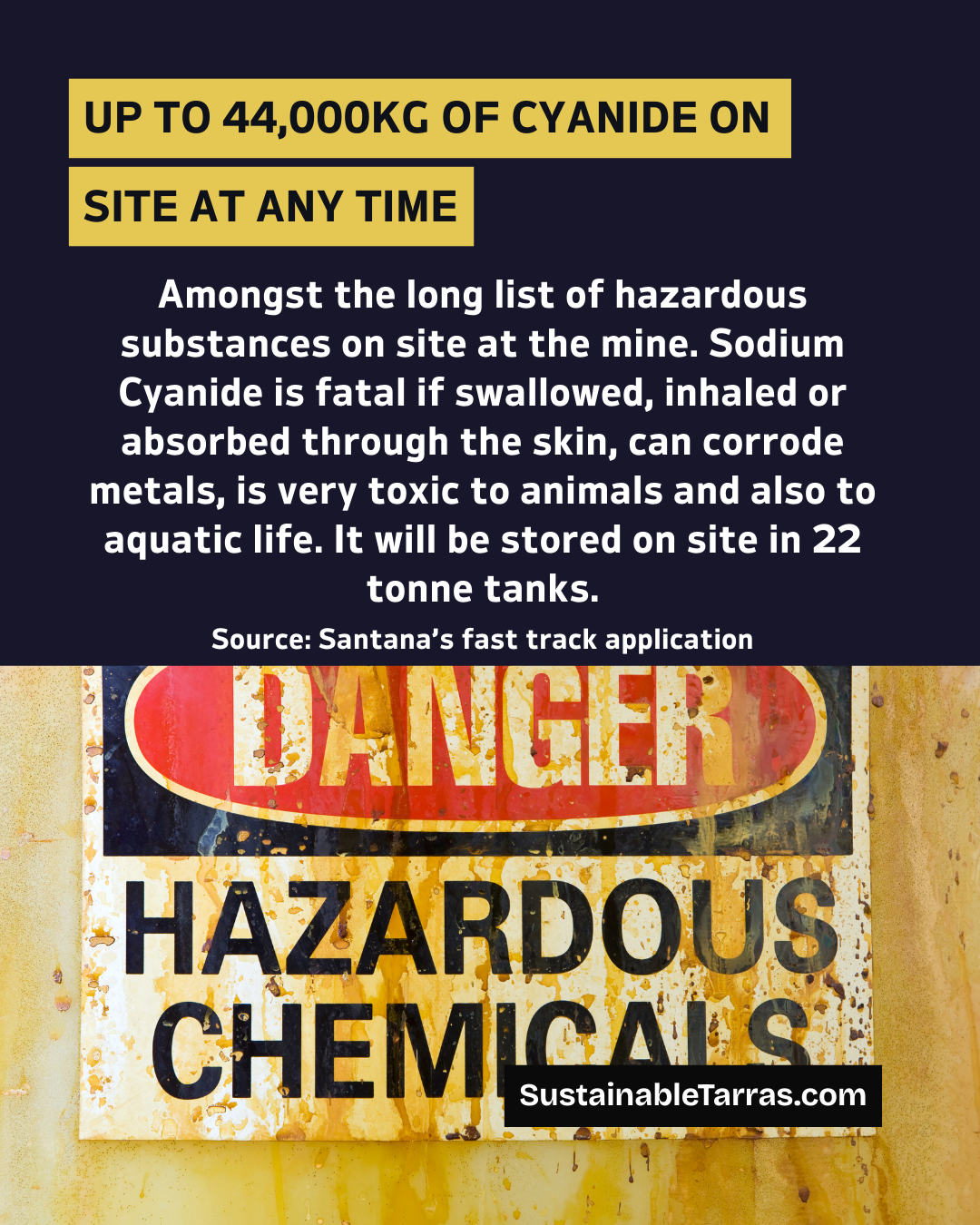
Below is a selection of social media infographics which we have recently shared – and which are just representative of some of the issues created by this fast-track goldmine proposal. There are links to our social media accounts below also. Click through the images below.
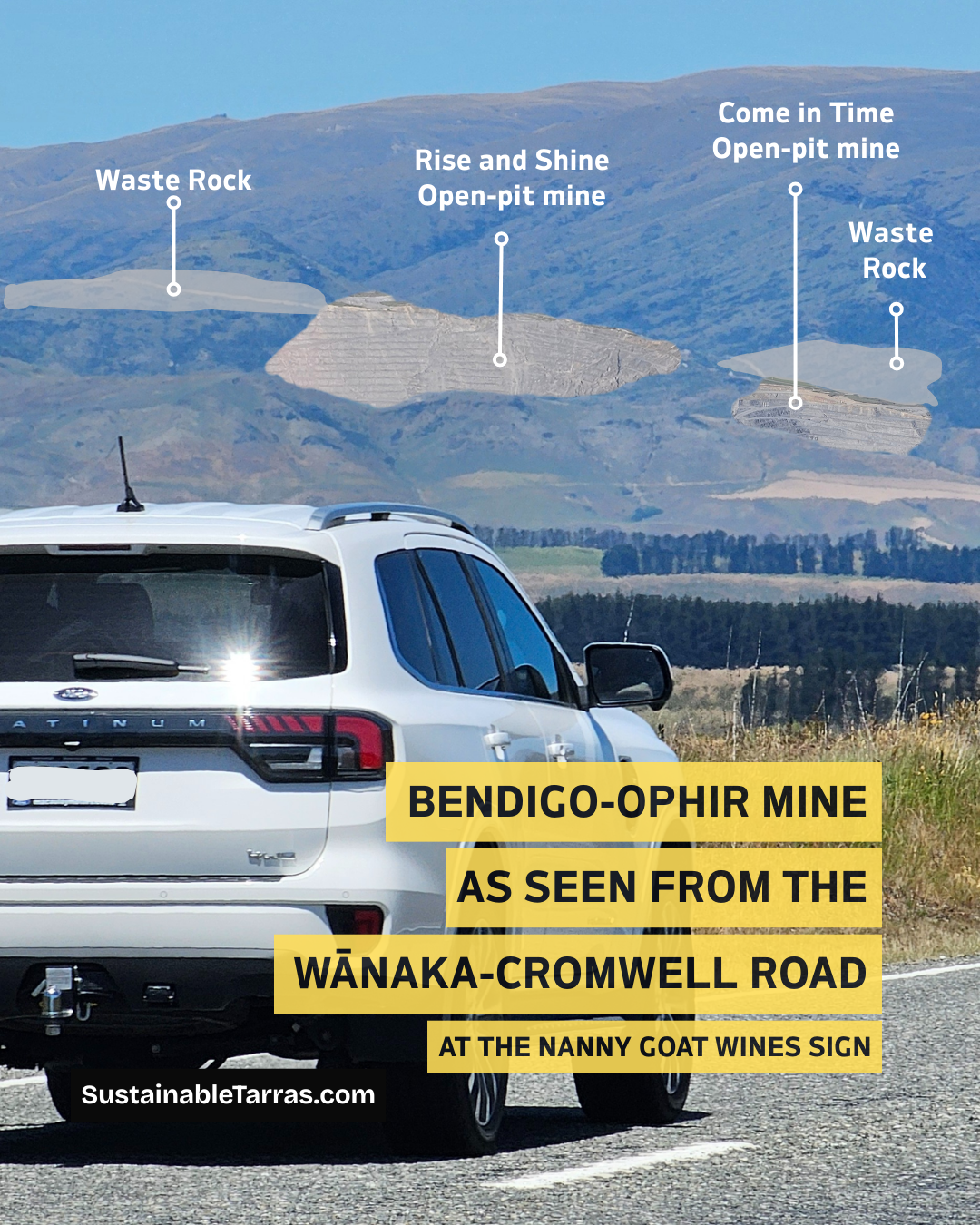
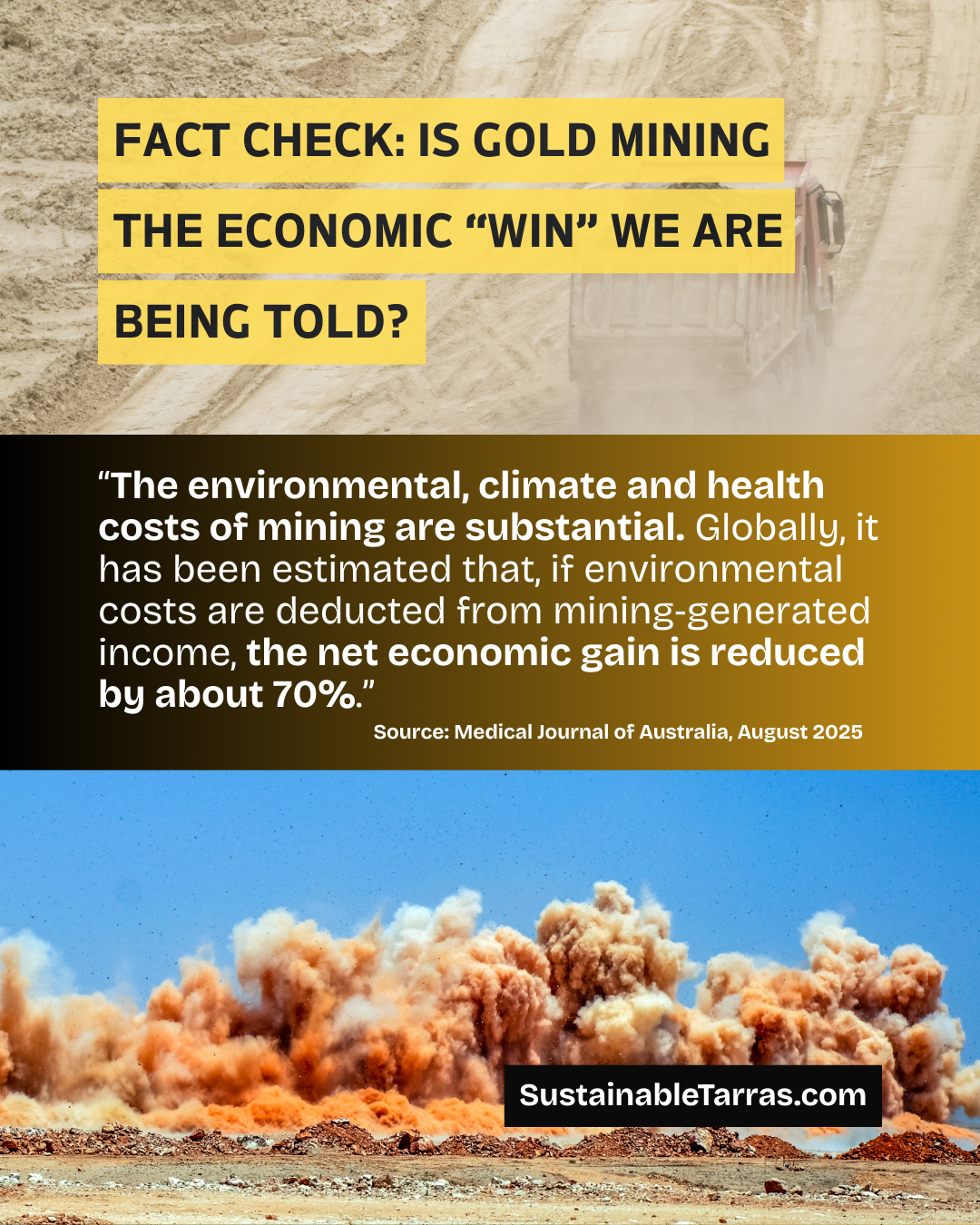
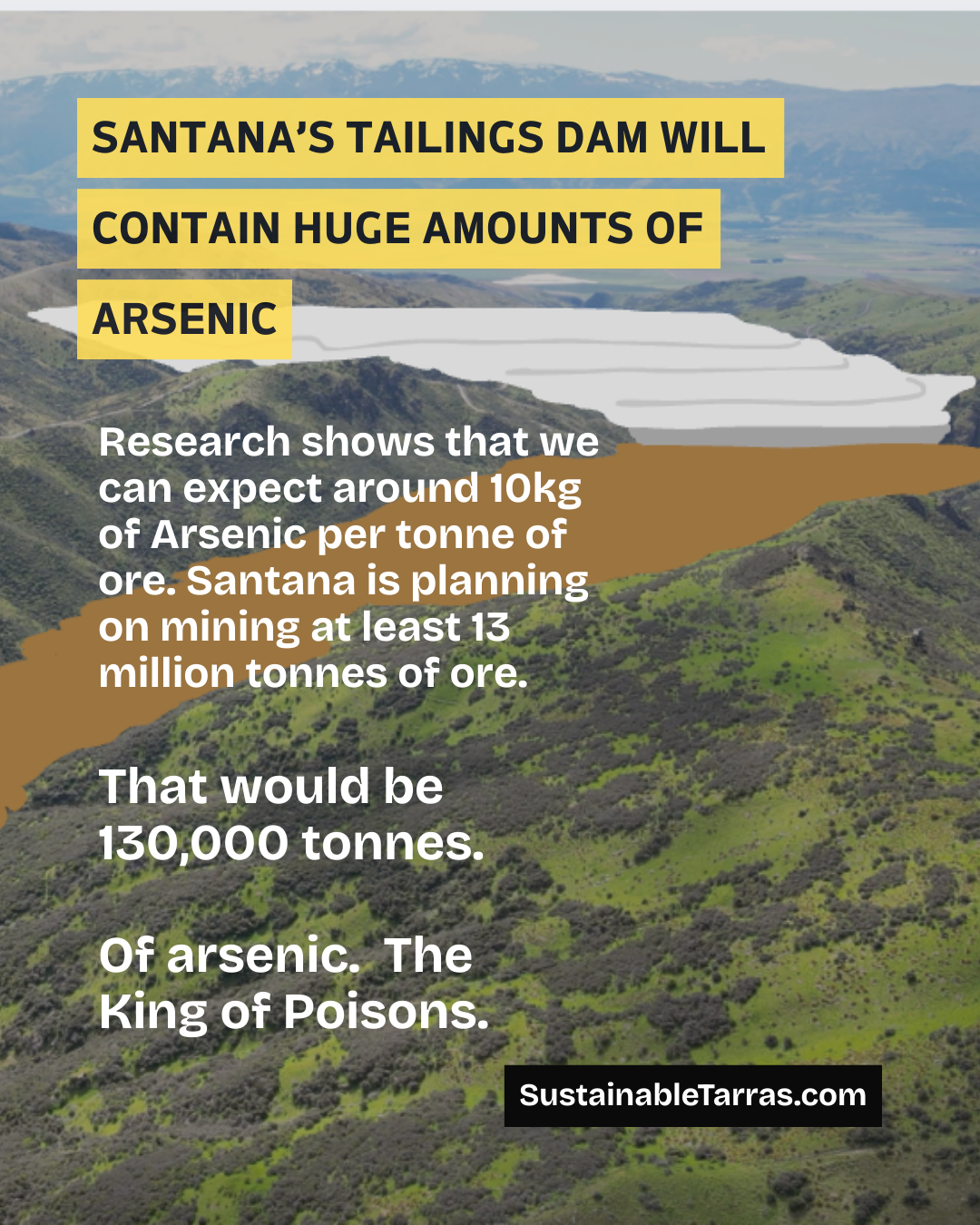
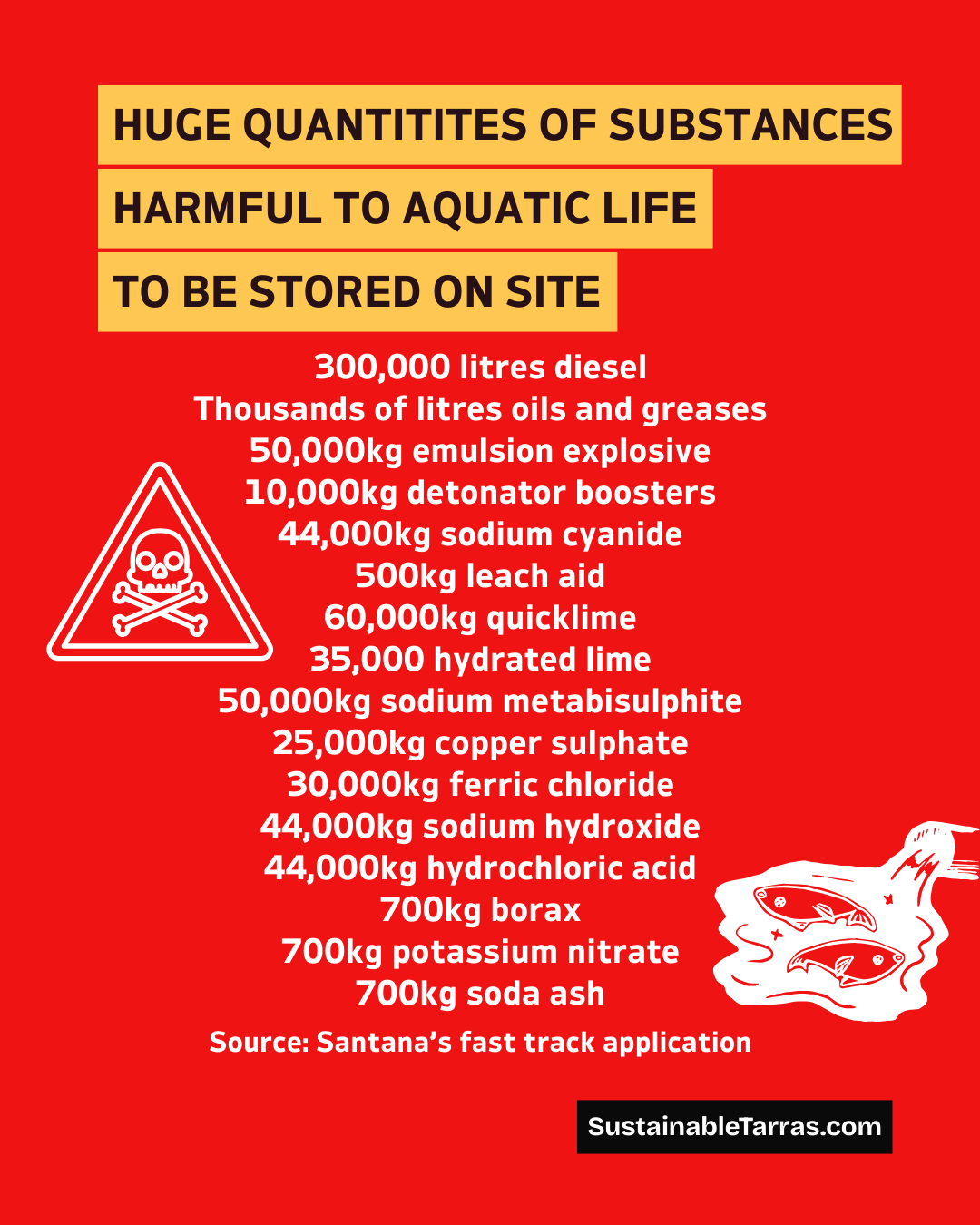
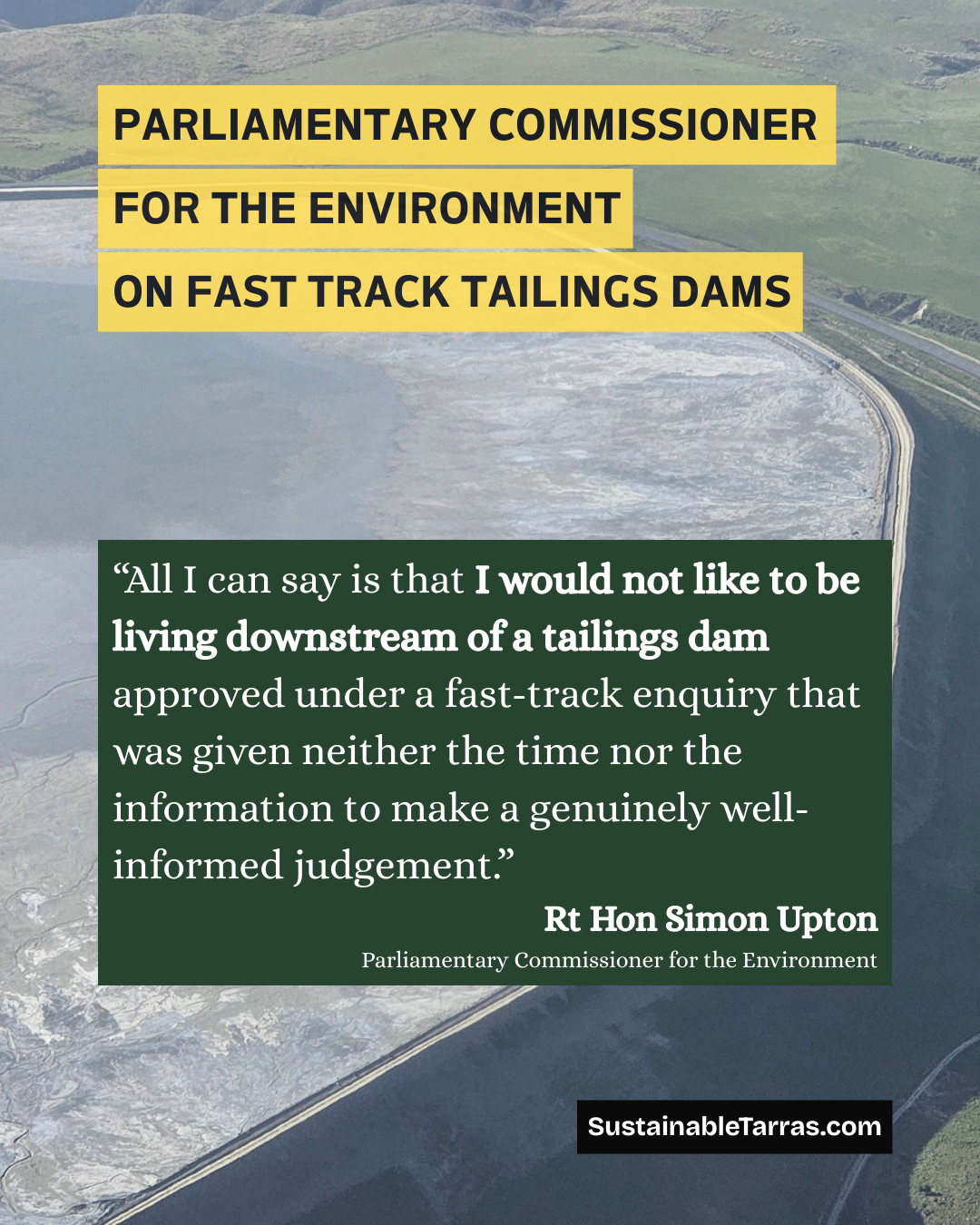
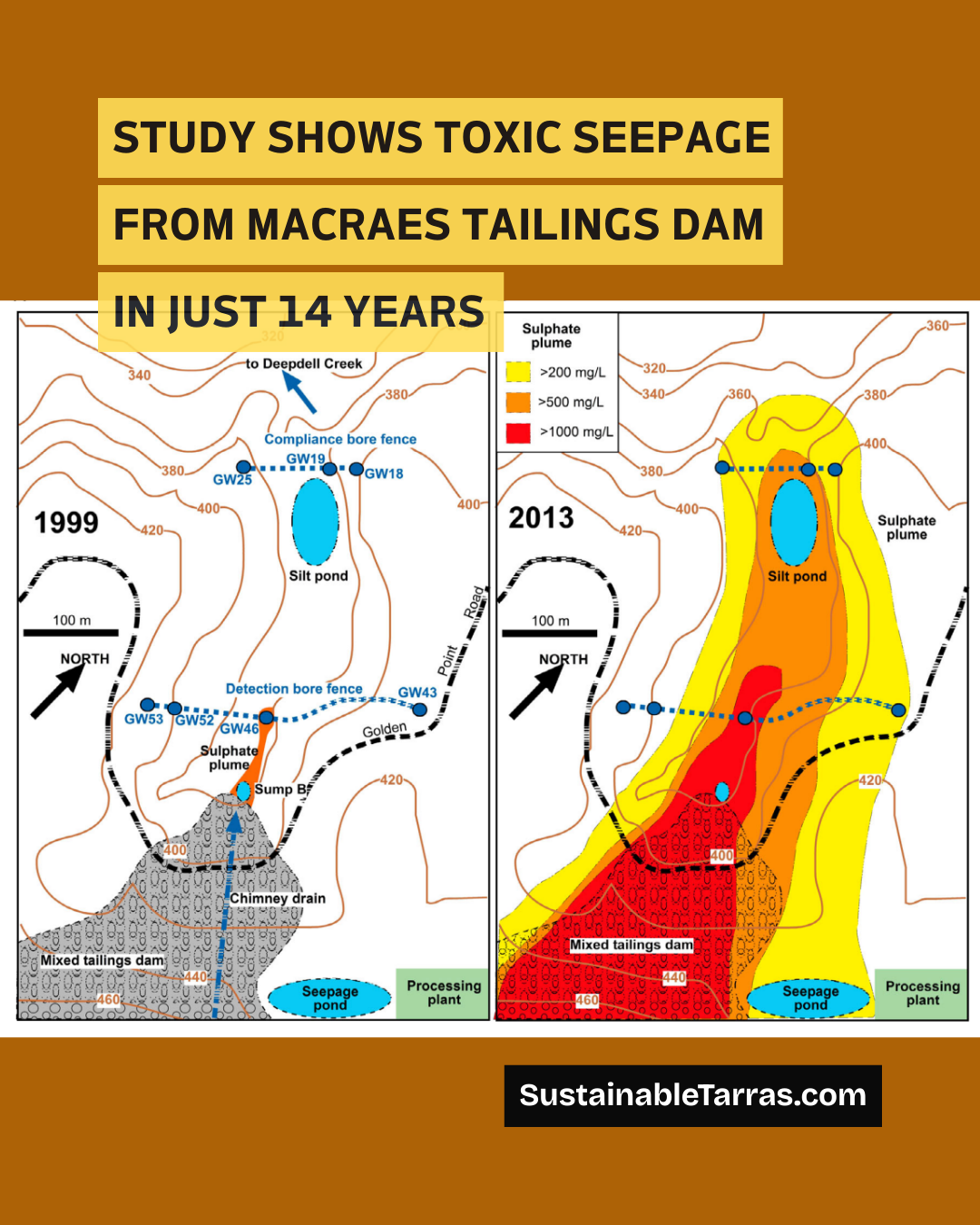
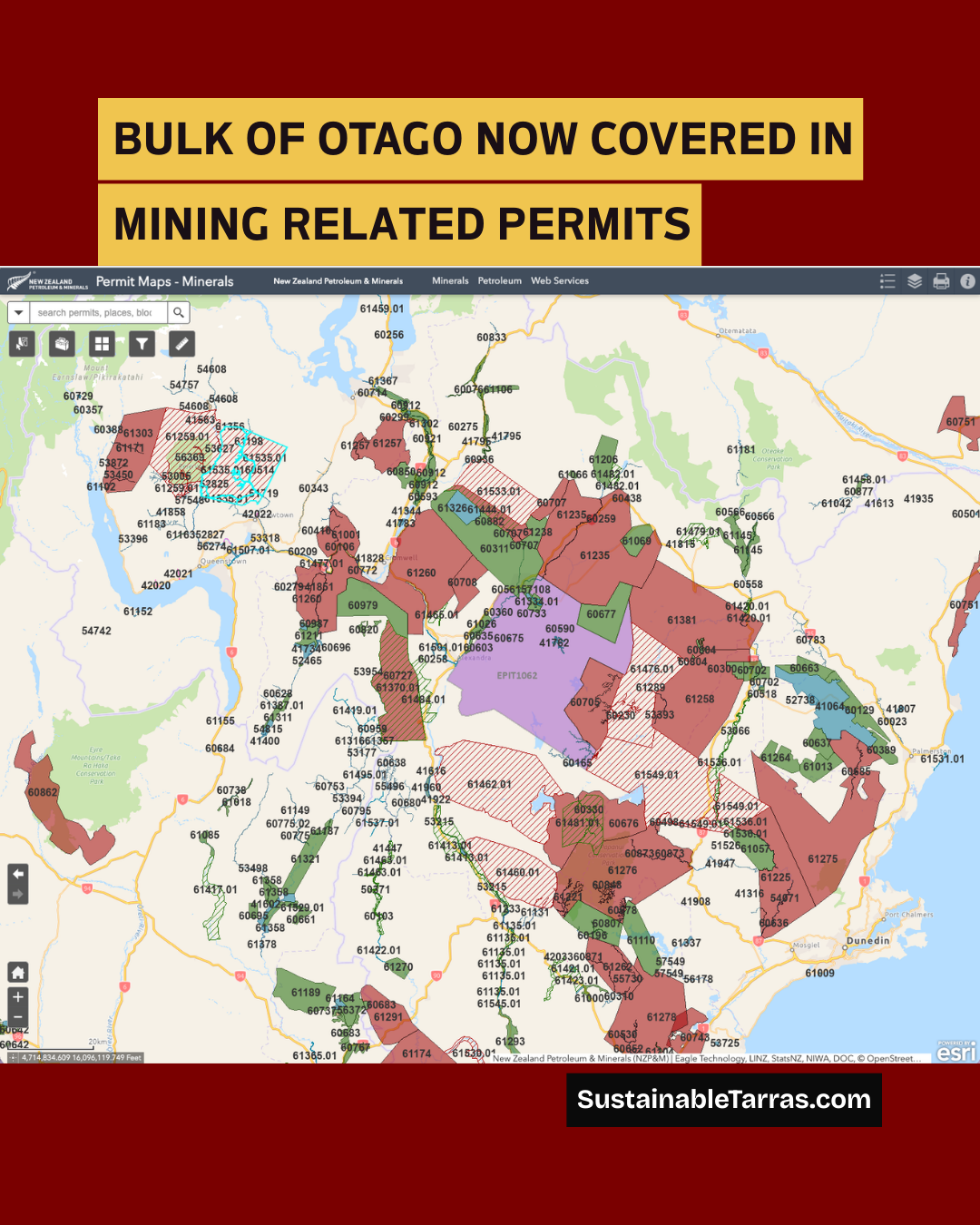


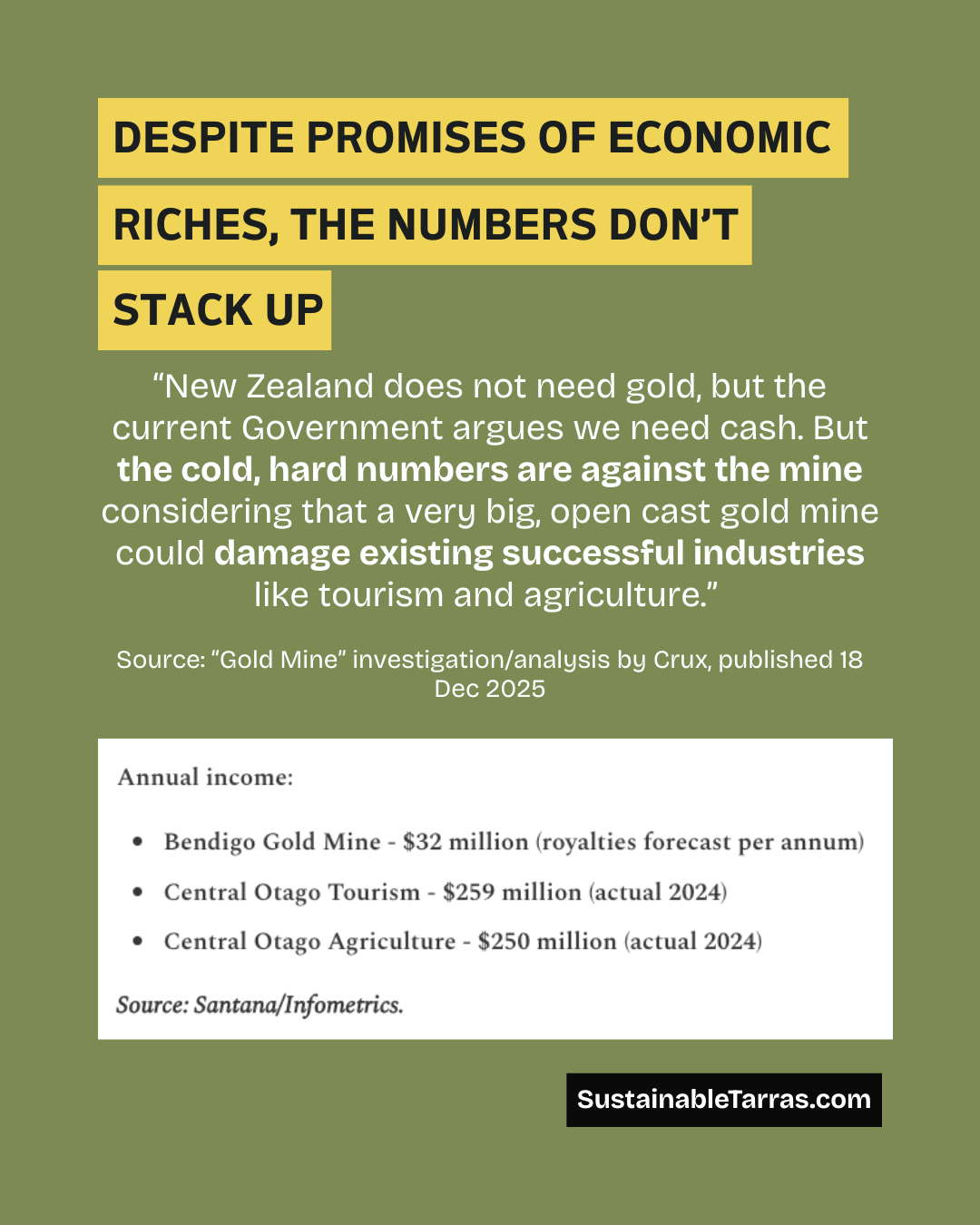
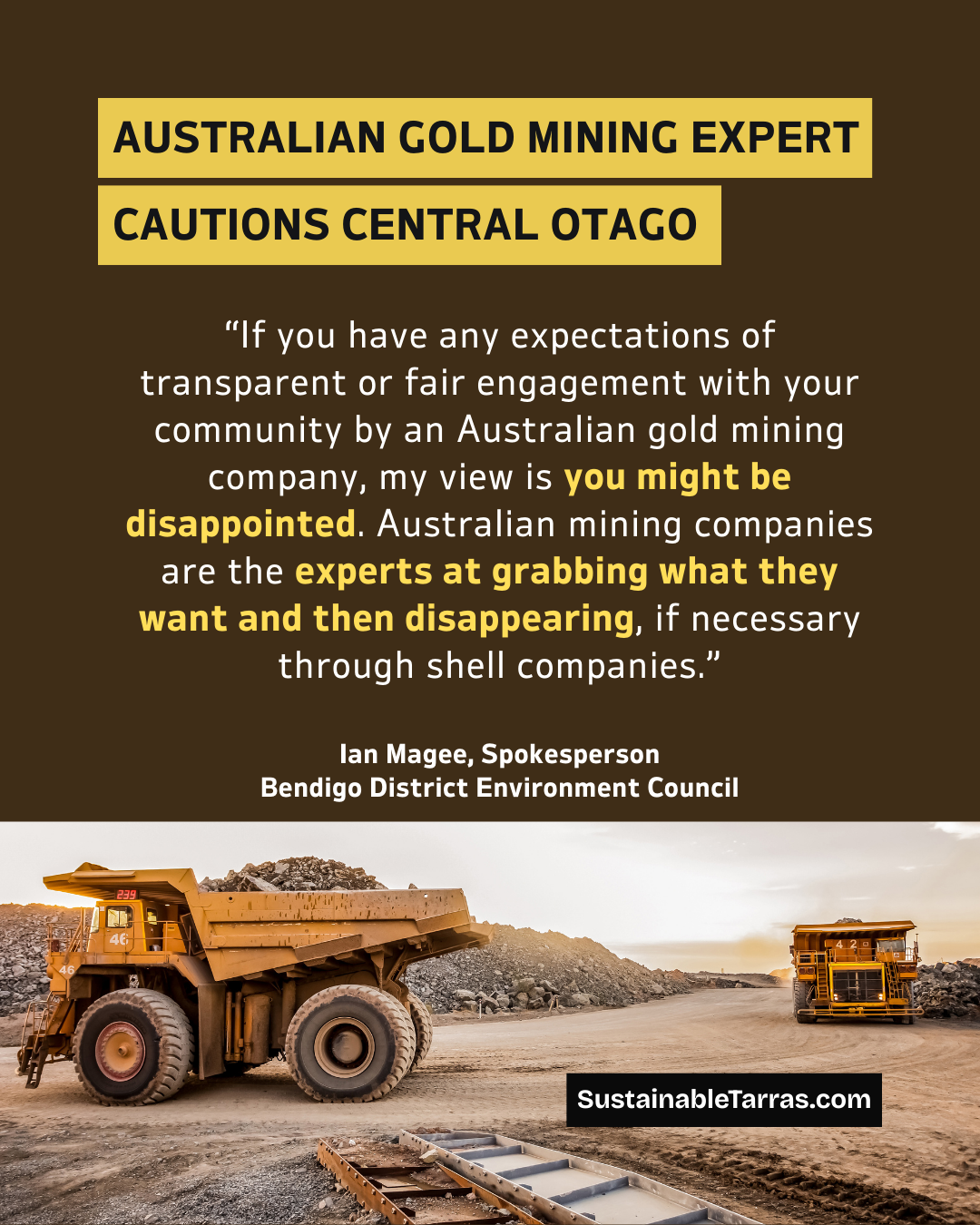
Find us here on Facebook (even if you don’t have an account, you can view our posts) and here on Instagram.
Further background
While Otago has a rich history of gold mining, the mine in Bendigo-Ophir is nothing like this. Santana Minerals’ proposed goldmine is reputed to be of a similar scale to Macraes Mine in East Otago, and one of the largest in the Southern Hemisphere. While the geography of the two sites differ, we’ve been able to use Macraes data to understand the scale, risk and complexity of the proposed Bendigo-Ophir development. We have also drawn on Santana Minerals’ submissions to the Australian Stock Exchange.
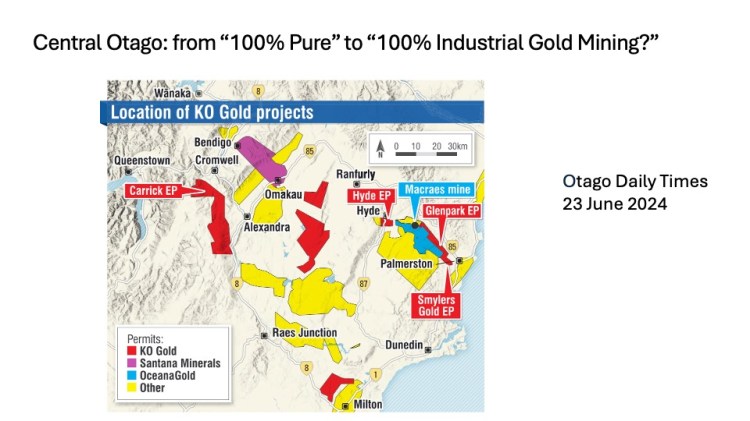
Santana Minerals is applying for the right to mine a large area of the Dunstan Mountain Range, seen in purple above, meaning the initial mining site could be the beginning of a series which reaches over the range towards the Maniototo. Other mining companies with exploration permits throughout Central Otago will be watching this development with interest.
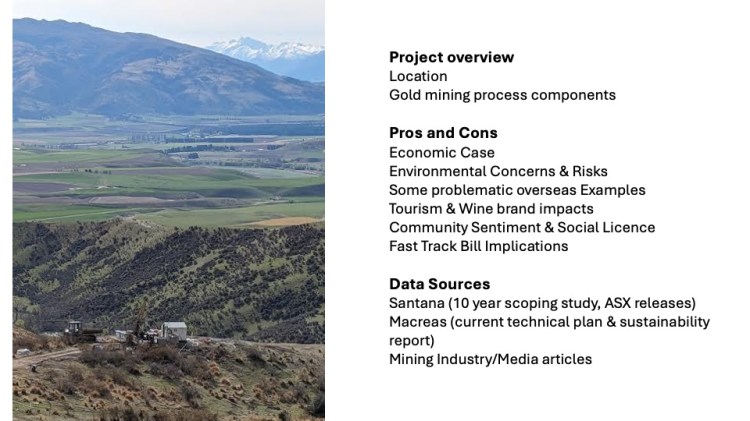
Below we ask and answer a series of questions, covering what we’ve learnt so far. We’ll add more to this here and in the updates section as Santana Minerals releases more information.
What are Santana Minerals planning?
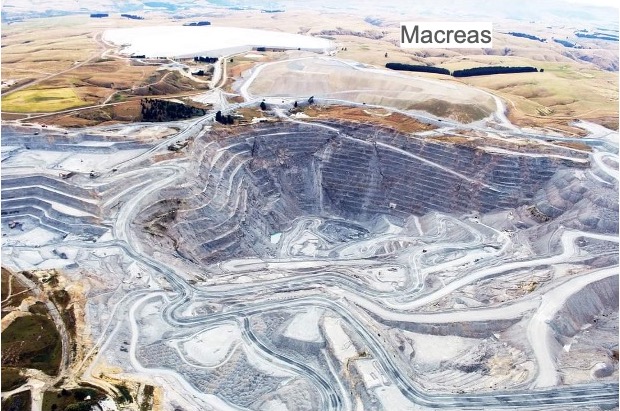
Santana Minerals are about to apply to the government to develop the first pit which is named Rise & Shine. It will be 1 kilometre long by 900 metres wide and 200 metres deep and will be mined for 10 years. Santana Minerals estimates there’s 82 tonnes of gold in the Rise & Shine site. Extracting that gold, worth billions of dollars, will involve digging up millions of tonnes of ore and then leaching it with cyanide – around 1 tonne of rock needs to be excavated to produce 1 gram of gold. Assuming all 82 tonnes of the estimated gold at the site is recovered, about 73 tonnes of it will end up in either bank vaults or as jewellery.
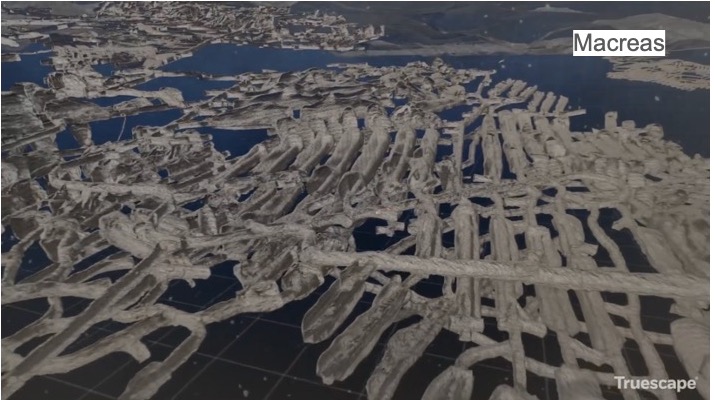
Santana Minerals also plans to mine underground, above aquifers and waterways. The image above is an underground map of Macraes’ tunnels.
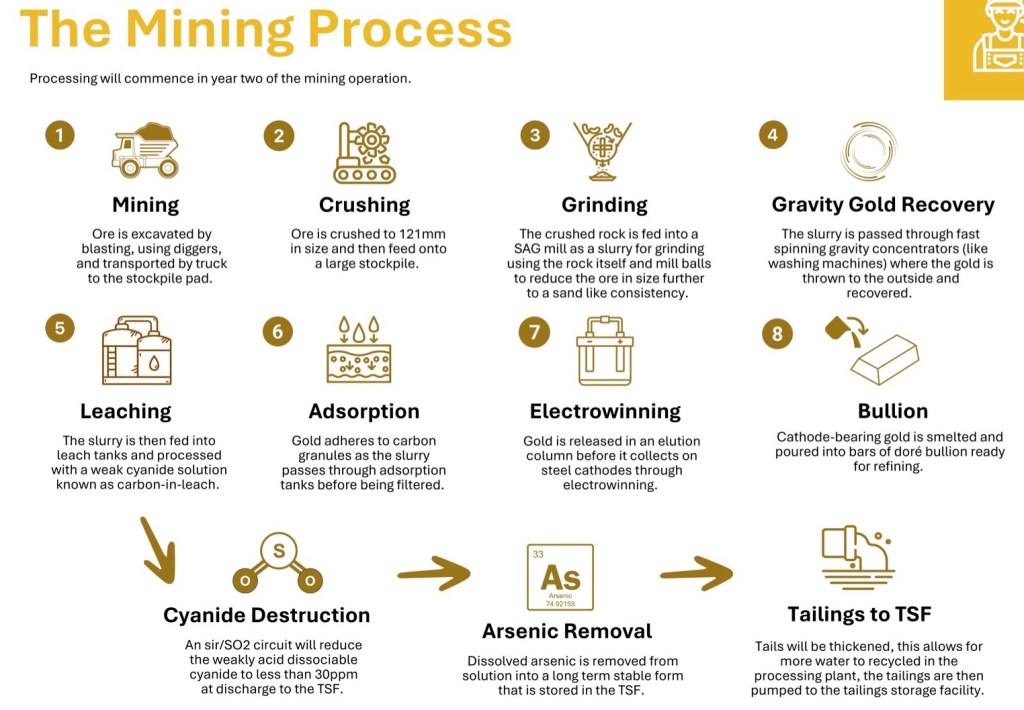
It’s not surprising that open cast gold mining is large, loud, disruptive and messy. There’s a lot of digging, trucking, blasting, crushing and more trucking. It’s extremely energy intensive, millions of tonnes of rock and uses toxic chemicals. We believe that the only part of the diagram that won’t happen on the Bendigo site is the production of the bullion. It’s more likely that this will happen in Perth. What this means for us is that we export the lowest grade material, meaning we get the lowest value royalties.
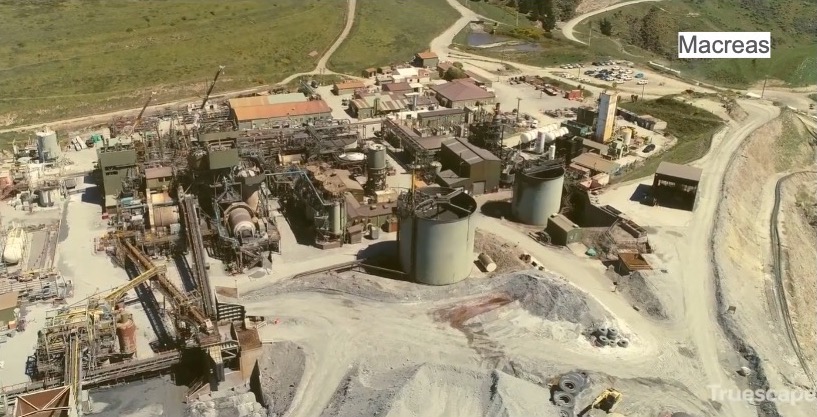
To remove the gold from the excavated rock, there will be a processing plant similar to this. This will be located at the start of Thomson Gorge Road, on the edge of the Ardgour Valley. We believe this will operate all day, seven days a week.
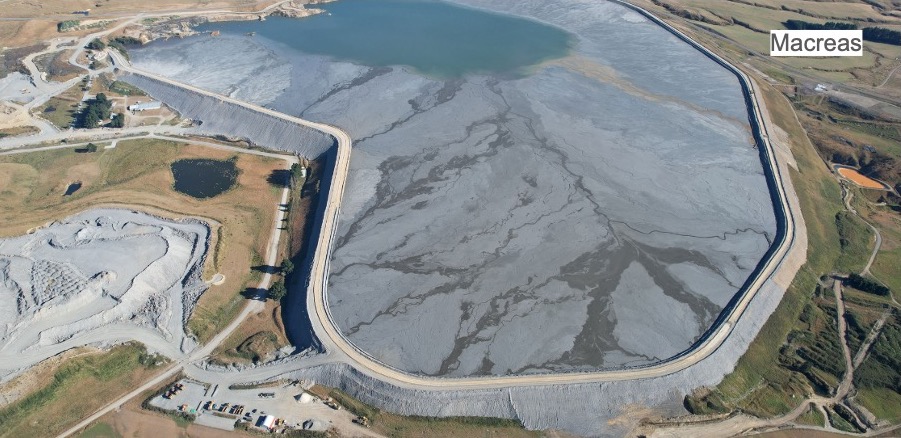
Santana Minerals will build a tailings dam to contain the slurry that results from excavating the rock from the gold. This will be located at the headwaters of Shepherds Creek, so they will be diverting the creek.
Where will the Gold Mine be in Bendigo?
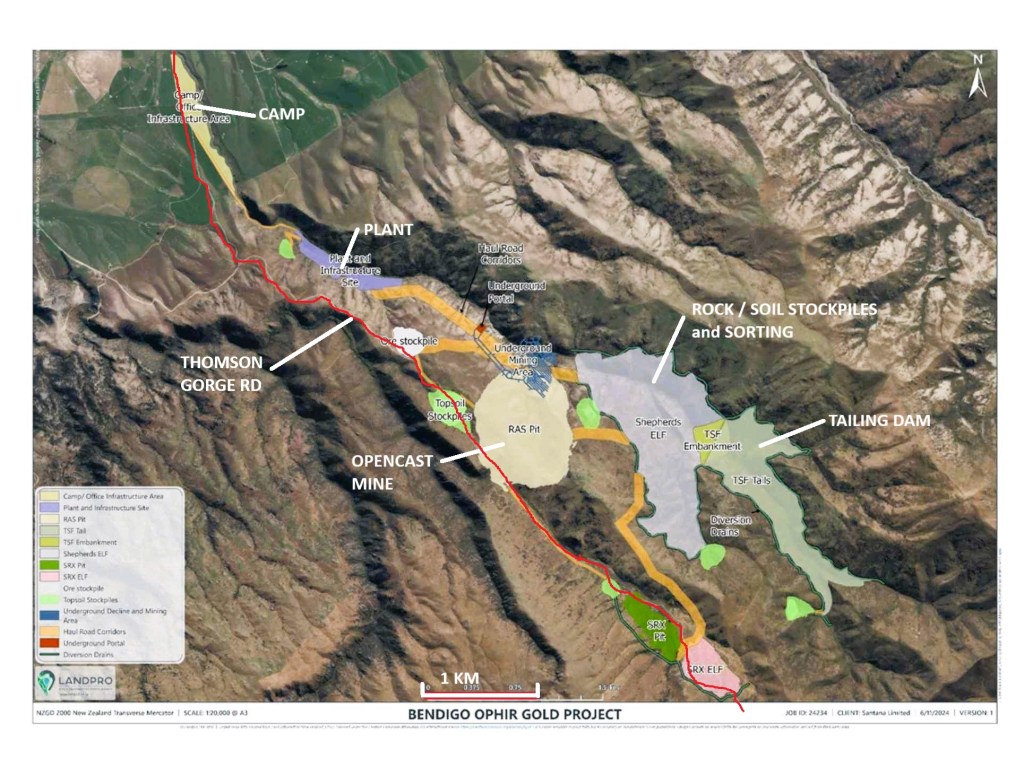
This map from Santana Minerals’ website shows you the massive extent of the operation, including the locations of the processing plant and the 80-person camp they will be building to accommodate the workers, given the lack of available housing the the district.
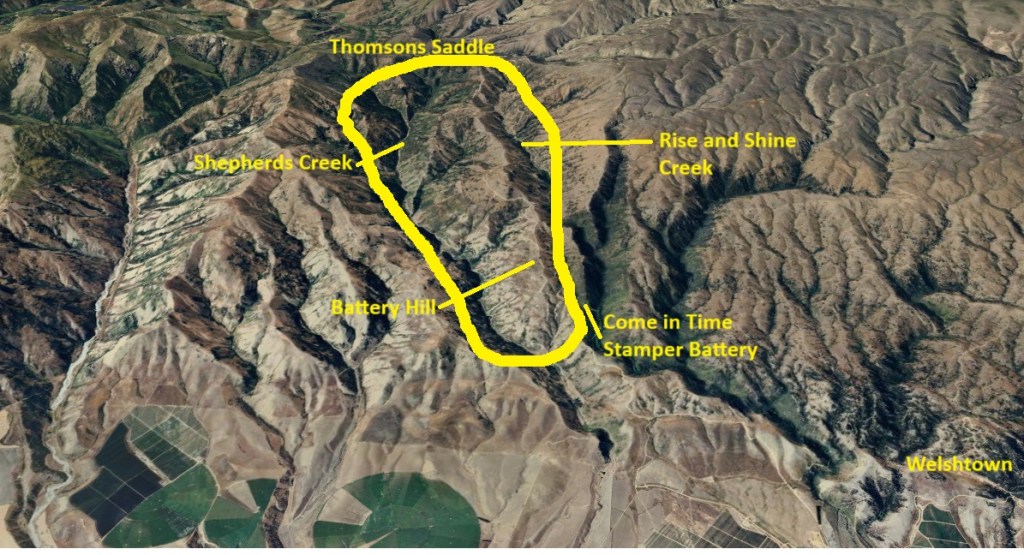
Access to the mine will be via State Highway 8, Ardgour Road then Thomson Gorge Road. Santana Minerals intends to close the existing Thomson Gorge Road and re-route it through the Ardgour Station.
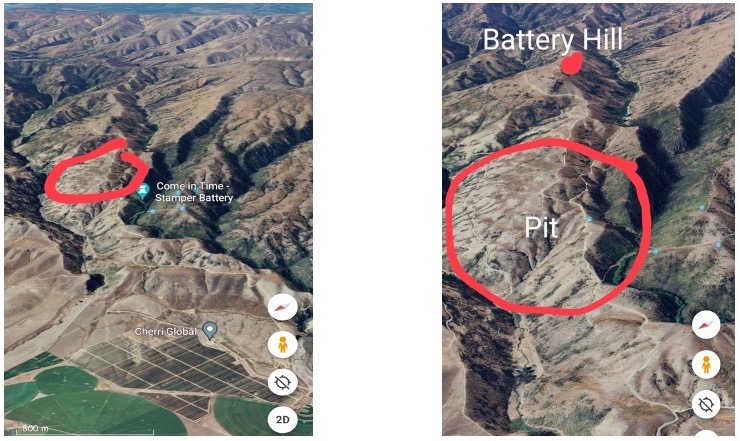
“You won’t see it from your car unless you pull over.” (Damian, Spring, Chief Executive)
Do we need more gold?
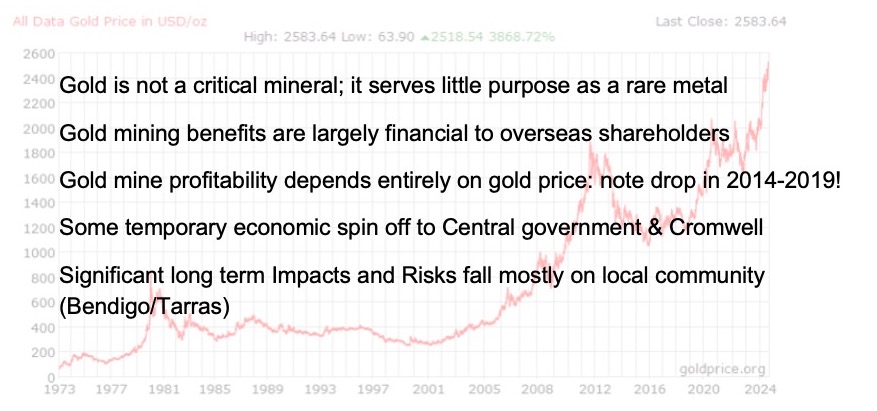
Gold may be among the rarest of elements, but there’s no shortage. The World Gold Council estimates there’s currently about 190,040 tonnes of gold in the world already above ground. Only about 8% of mined gold ends up being used for useful purposes – mainly cellphones and dentistry. Already about a fifth of the gold used in industrial processes is met by recycling because it is much cheaper and less destructive than mining. Recycling of e-waste could be ramped up to meet the rest of the demand without even having to dip into the tens of thousands of tonnes of gold currently languishing in bank vaults.
What are the environmental effects of the Santana open pit gold mine?
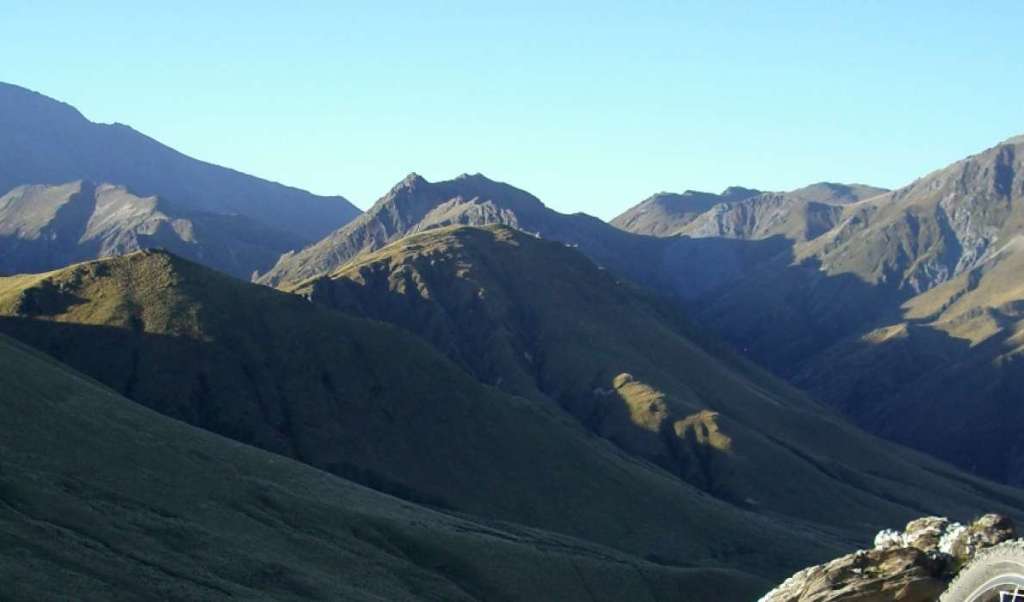
Santana Minerals says that the mine will create “net environmental benefits”. It is located in the Dunstan Mountain Range which is officially listed as an outstanding natural landscape. The site borders three conservation reserves and the Rise & Shine pit is located on land which is protected by a conservation covenant.
The area is known and loved for its natural environment including tracks and trails through historic gold mining works, Ngāi Tahu’s pounamu trail over Thomson Gorge Road, many vineyards and cherry orchards, crystal clear waters, indigenous biodiversity and for it’s peacefulness and spectacular dark skies.
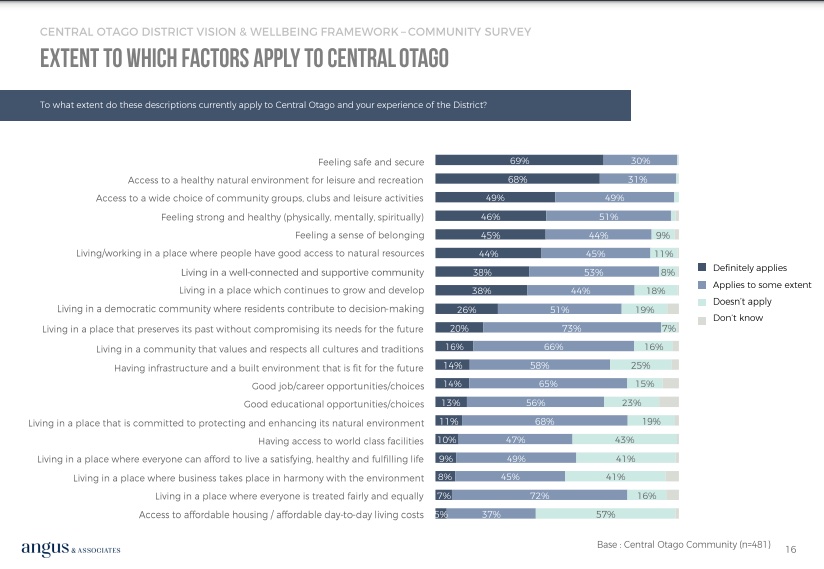
In response to Central Otago District Council’s community survey, access to a healthy natural environment was the second highest rating factor for why people live in the district, with a 99% in agreement.
What are the risks of Tailing Dams? Can they fail?
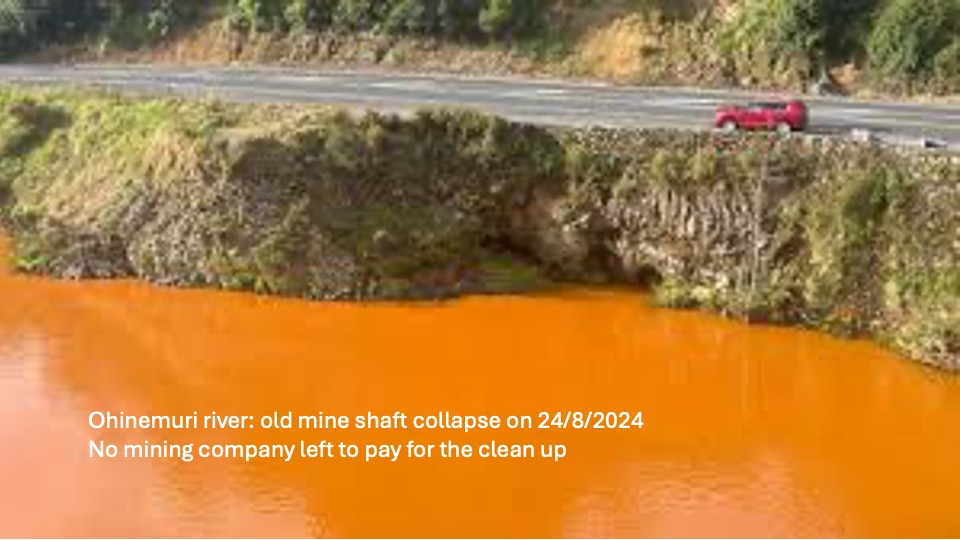
Some recent major mine tailings field and dam failures have been seen in:
- Cadia Gold Mine, New South Wales, Australia (2018-2024): Dam collapse after an earthquake; clean-up is still ongoing.
- Victoria Gold Eagle, Yukon, Canada (2023): Landslide of a cyanide leach field; estimated clean-up cost is US$111 million.
- Mount Polley Gold, Canada (2014): Dam breach and tailings spill; an engineering company was blamed; clean-up cost over CND$70 million.
- Brumadinho, Brazil (2019): Tailings dam failure resulted in 270 deaths, with a 120 km radius affected; environmental impact estimated at US$7 billion.
- Samarco, Mariana Dam, Brazil (2015): Tailings dam failure led to 19 deaths and polluted 668 km of waterways; an engineering company was blamed.
Will air quality, noise and dark skies be affected?
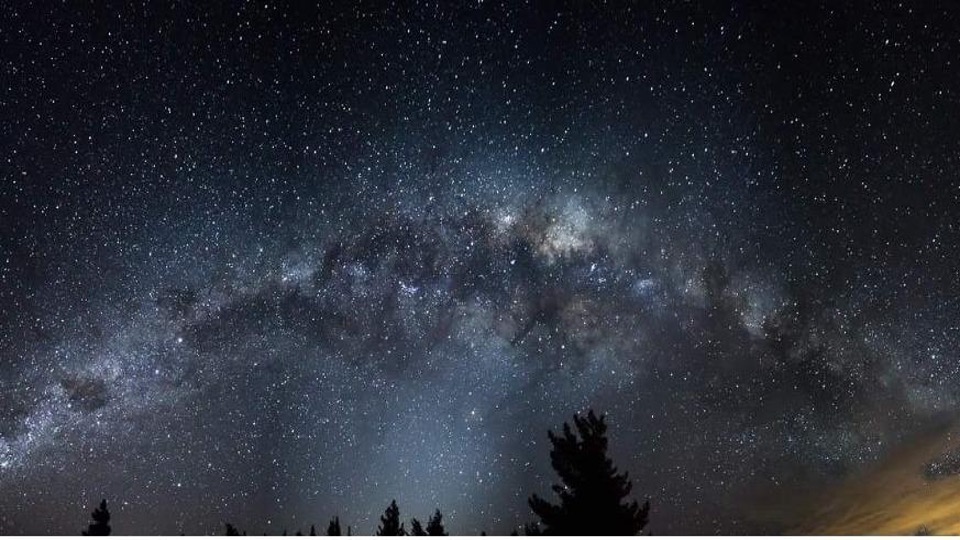
Air quality in the district is pristine and the dust risk depends on wind (extreme high wind area) and high water use dust suppression.
Noise levels are currently at a very low baseline level and will be severely impacted by rock blasting three days a week and the processing activities as the crusher and mill are very noisy. Daily heavy machinery and traffic on small local roads will impact the local community.
The dark skies will be gone forever with the projected 24/7 mine operation.
What’s all the fuss about the Fast Track Approvals Act? How will this affect me?

The Fast Track Approvals Bill was introduced to Parliament in December 2024 despite significant opposition, as shown by 27,000 submissions. Key concerns include lack of local community consultation, the absence of independent expert involvement unless commissioned, the sole power of ministers to appoint the convenors’ panel, insufficient time for local authorities to assess proposals, limited legal recourse on decisions, and prioritisation of economic development over environmental protection.
What does the Tarras Community Plan say?
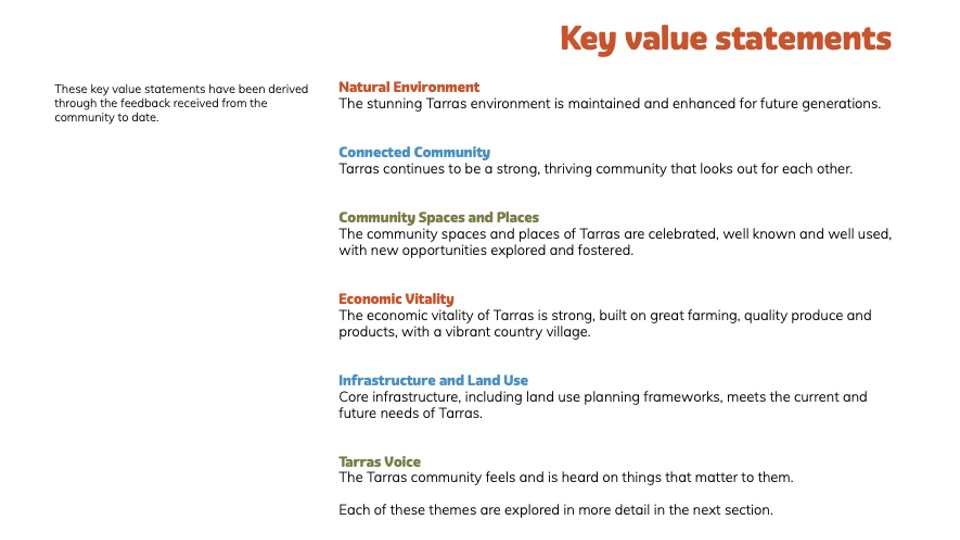
The Tarras Community Plan was developed in 2024. We suggest that an open cast gold mine threatens the majority of these values.
 Sustainable Tarras