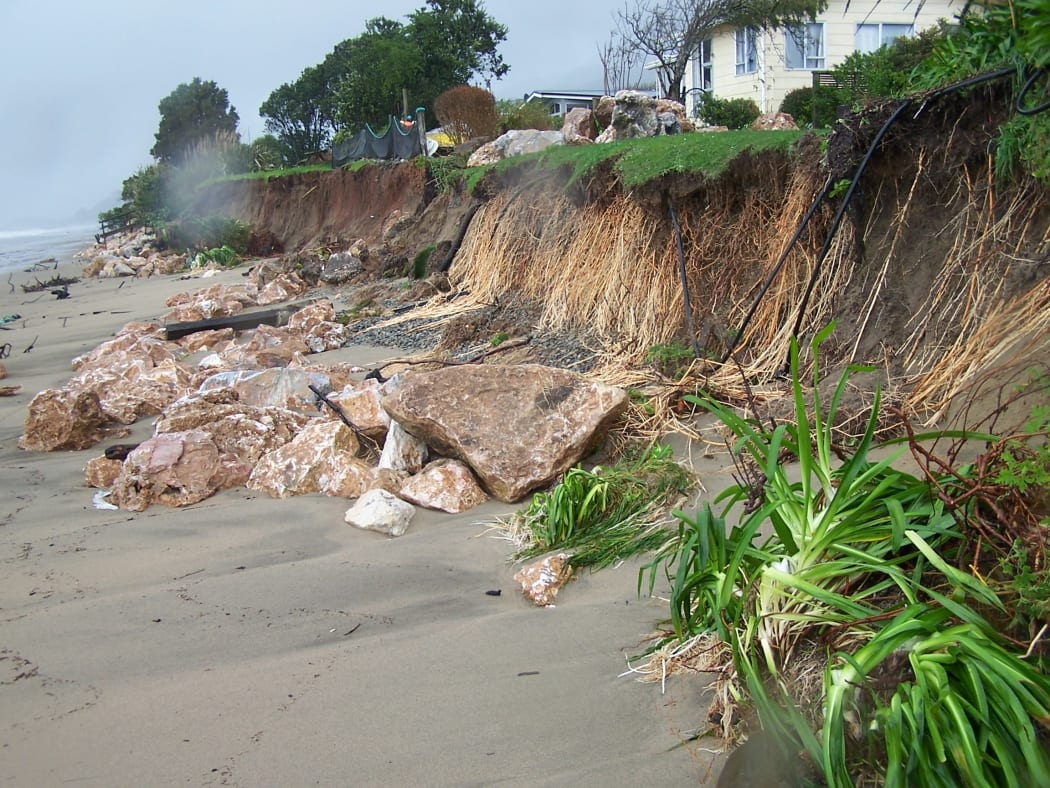
In 2020 New Zealand declared a climate change emergency.
An airport, no matter how it is greenwashed, supports the production of emissions on a massive scale.
Aviation accounts for 12% of NZ’s carbon emissions, compared to the global average of 2.8%. Per capita, we are 6th highest globally. As a member of the International Aviation Climate Ambition Coalition, we are committed to reduce this by 45%, by 2030.
- “The obstacles by way of a technological solution to aviation emissions are formidable”.
- “Aviation growth and airport expansion go hand-in-hand”.
“Climate change is one of the greatest challenges of our time”
Jacinda Adern, Prime Minister of New Zealand
Climate change effects on New Zealand
- Rising sea level will invade most major cities
- Increased incidence of catastrophic weather events
- Loss of winter sports
- Extinction of native plants and insects
- Ocean warming and loss of commercial fish species
- Invasion by exotic pests and diseases
In 2018 commercial aviation released 918 million tons of carbon dioxide, 2.4% of global emissions from fossil fuel use
In 2019 New Zealand domestic and international aviation released 4.9 million tons, 0.52% of world aviation emissions, 12% of our total emissions.
Duplication of existing infrastructure generates unnecessary carbon emissions.
A wide-body air-strip is 2700m long, 45m wide and 0.5m deep, requires 63450 cubic metres of concrete. The manufacture of this concrete would emit 26,000 tons of CO2.
Existing wide-body airports at Auckland, Wellington and Christchurch can accommodate New Zealand’s needs for the forseeable future.
There are many more domestic airports.
A high-quality dairy farm at Tarras would emit a tiny fraction of the carbon dioxide generated by an airport
A 700Ha dairy farm emits 103 carbon-equivalent tons per year.
Climate Change – Unnecessary duplication of infrastructure
The Climate Change Commission and the Infrastructure Commission both warn against the effects of unnecessary duplication of infrastructure on New Zealand’s carbon footprint.
Is there need for three national airports within 60 km of each other?
Is there need for five international airports in the lower South Island?
The lower South Island’s existing airports
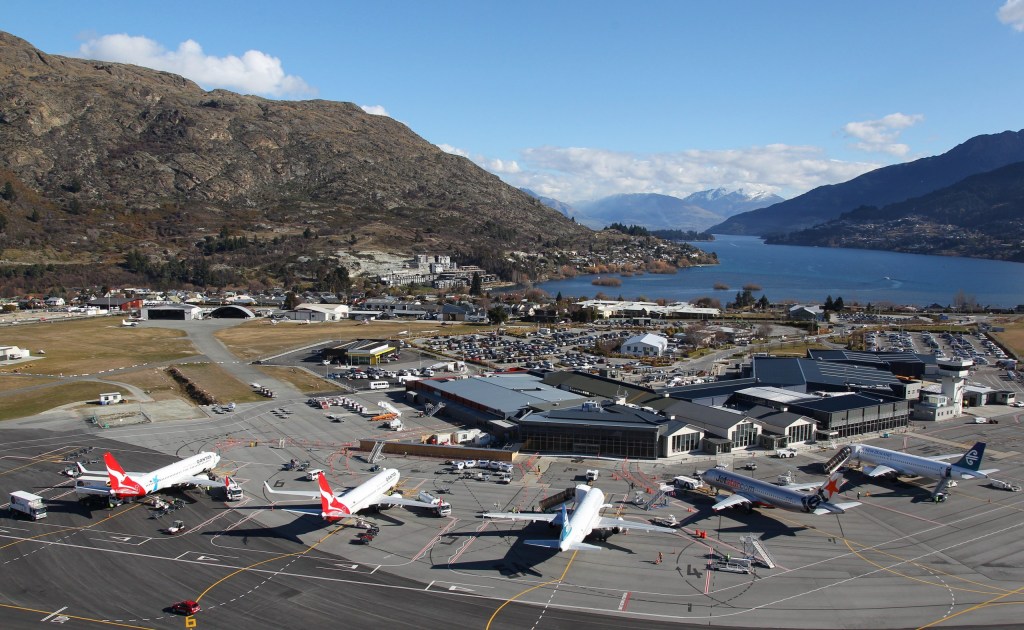
Queenstown International Airport
60km away (86km by road), connecting the region with Christchurch, Wellington and Auckland, plus direct flights to Australia. Jet capable. Plans for expansion of facilities.
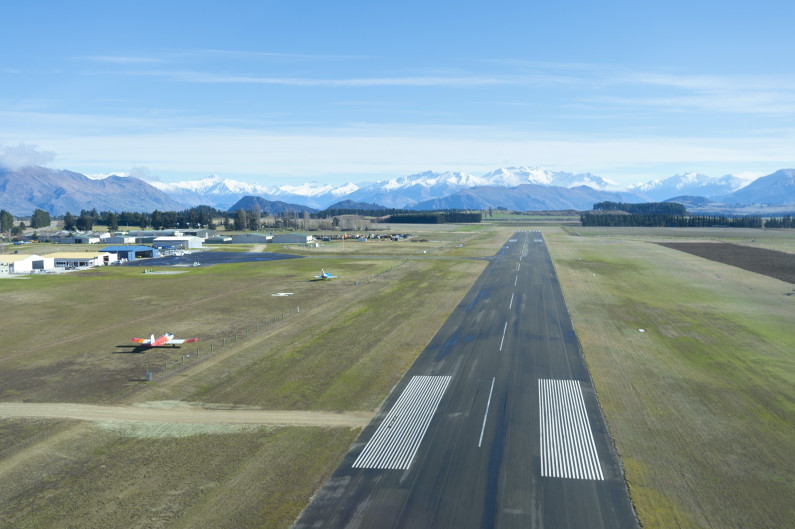
Wānaka Airport
18km away (24km by road), with a thriving general aviation community employing hundreds of people across dozens of aviation related businesses. Direct flights with SoundsAir to Christchurch, for onward international flights.
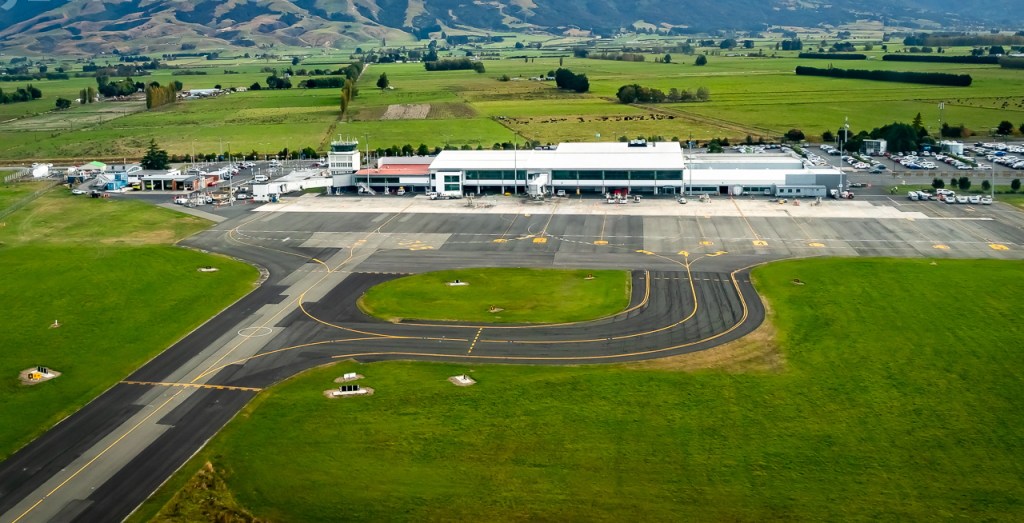
Dunedin International Airport
3 hours drive from Tarras. Offering both domestic and international flights. Jet capable. Room for expansion.
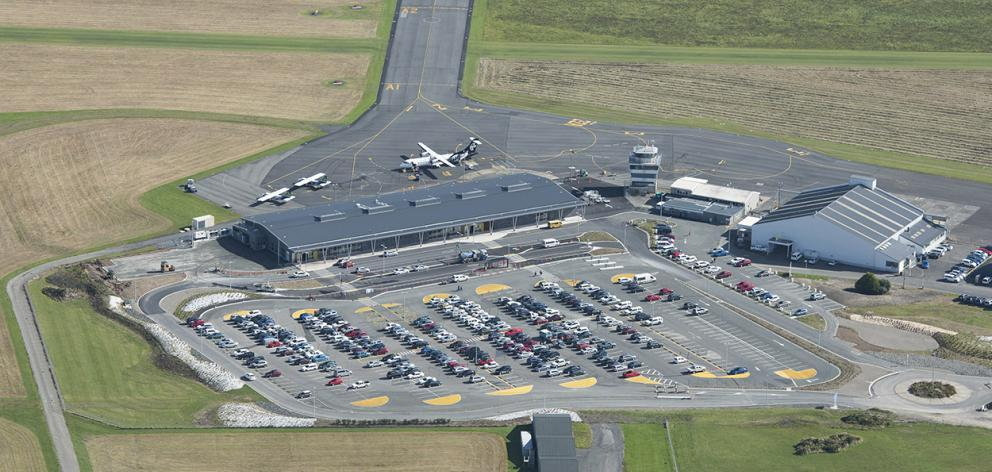
Invercargill Airport
Connecting the lower South Island with other domestic destinations Christchurch, Auckland and Wellington. Jet capable. Room for expansion.
Take action / find out more
- Learn more about the airport proposal and its implications – here.
- Learn more about the gold mine proposal and its implications – here.
- Join us in Saying No to the Mine – here.
- Learn more about Sustainable Tarras – here.
- Check out our latest updates from the Sustainable Tarras Team – here.
- Donate to the fight – details here.
 Sustainable Tarras